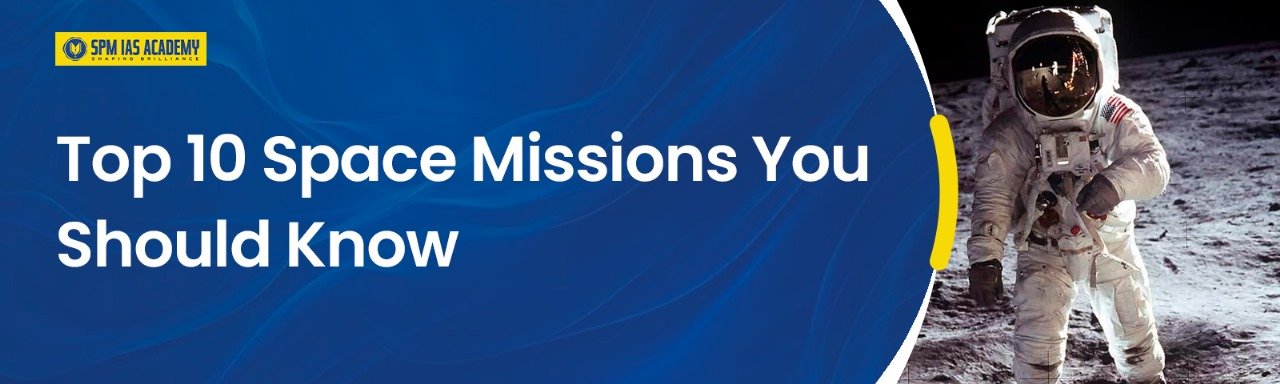
Space missions play an important role in advancing scientific knowledge. Additionally, they contribute to national security, disaster management, climate studies, and technological self-reliance.
For UPSC aspirants, understanding space missions is important. From the perspective of GS Paper III, which focuses on Science & Technology, these missions are important. Furthermore, they are relevant in current affairs and India’s strategic capabilities.
In this article, we will look at the top 10 Space Missions. This list will include both Indian and Global space missions to know.
Stay updated with space missions and science developments through our regularly updated current affairs section.
1. Apollo Program (NASA)
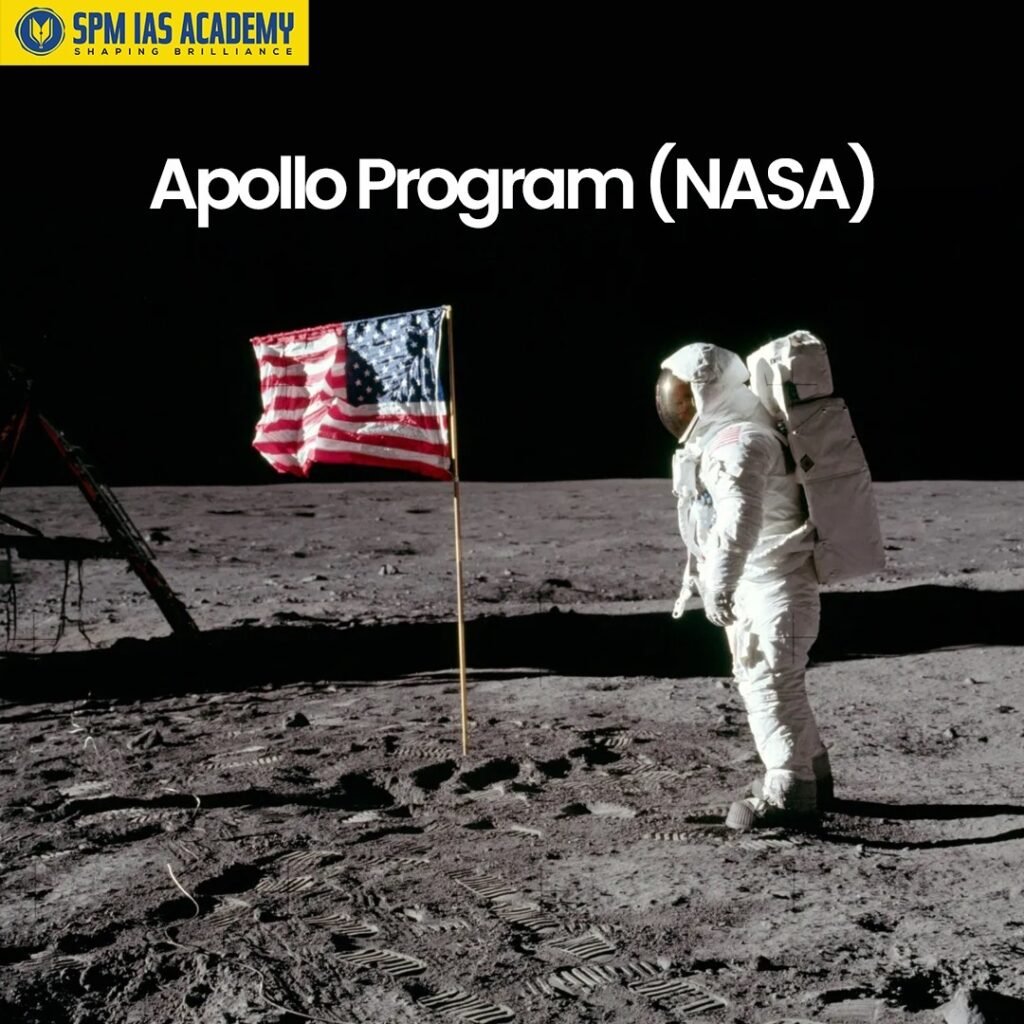
The Apollo Program was NASA’s ambitious human spaceflight initiative. It was conceived to meet President John F. Kennedy’s goal in 1961. He aimed to land a man on the Moon and return him safely to Earth before the end of the decade. The program ran from 1961 to 1972. During this time, it utilized the powerful Saturn V rocket.
Ultimately, the program culminated in the historic Apollo 11 mission. On July 20, 1969, Neil Armstrong and Buzz Aldrin became the first humans to walk on the lunar surface. Moreover, the program successfully completed six crewed lunar landings. As a result, 12 astronauts were able to explore the Moon.
They collected hundreds of pounds of rock samples and conducted scientific experiments. This groundwork laid important foundations for future space exploration.
2. Voyager 1 & 2 (NASA)
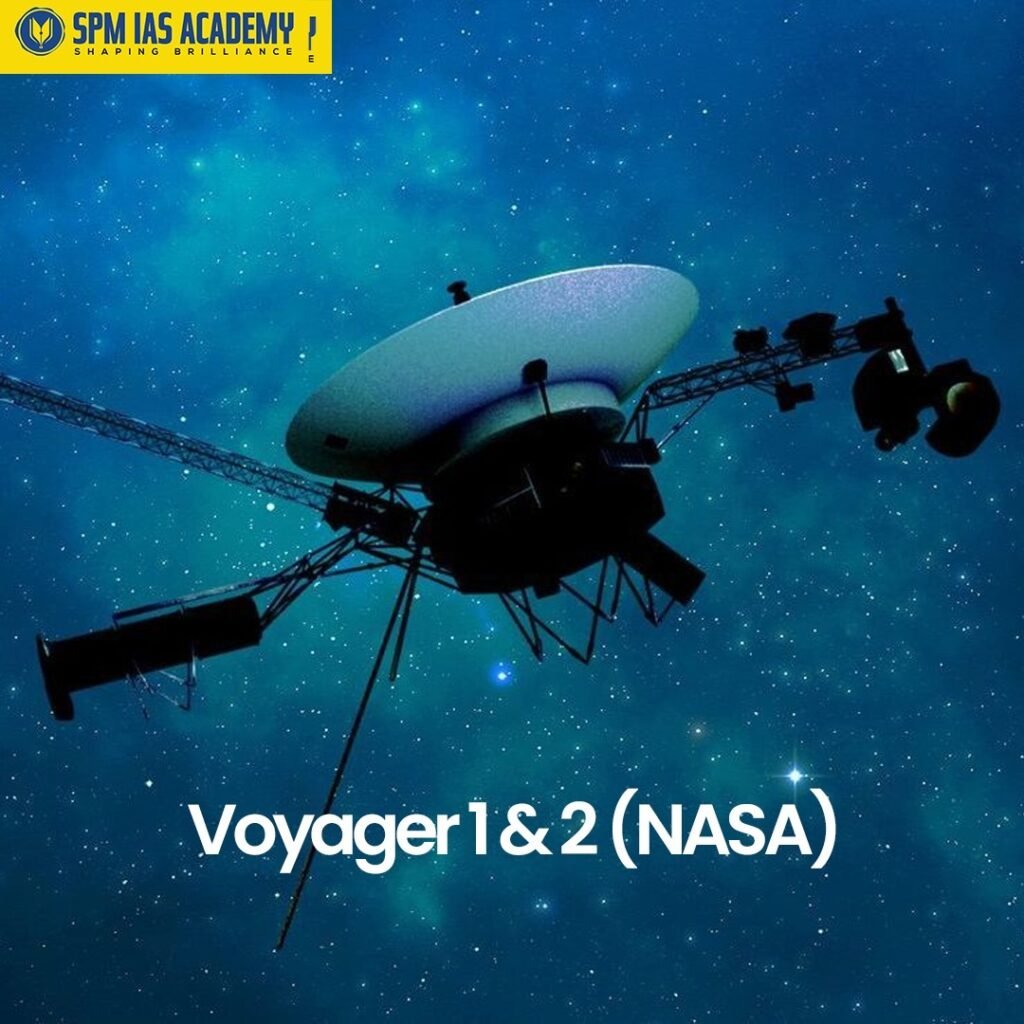
NASA launched the twin Voyager 1 and 2 spacecraft in 1977. They embarked on a “Grand Tour” of the outer solar system. This was made possible by a rare planetary alignment. As a result, the Voyager probes provided the first detailed, close-up images and data on Jupiter, Saturn, Uranus, and Neptune. Additionally, they collected information about these planets’ moons and rings.
After completing their primary space missions, both probes entered interstellar space, which is the region between the stars. Moreover, they continue to transmit valuable scientific information to Earth. Consequently, they are now considered the most distant human-made objects ever.
3. Hubble Space Telescope (NASA/ESA)
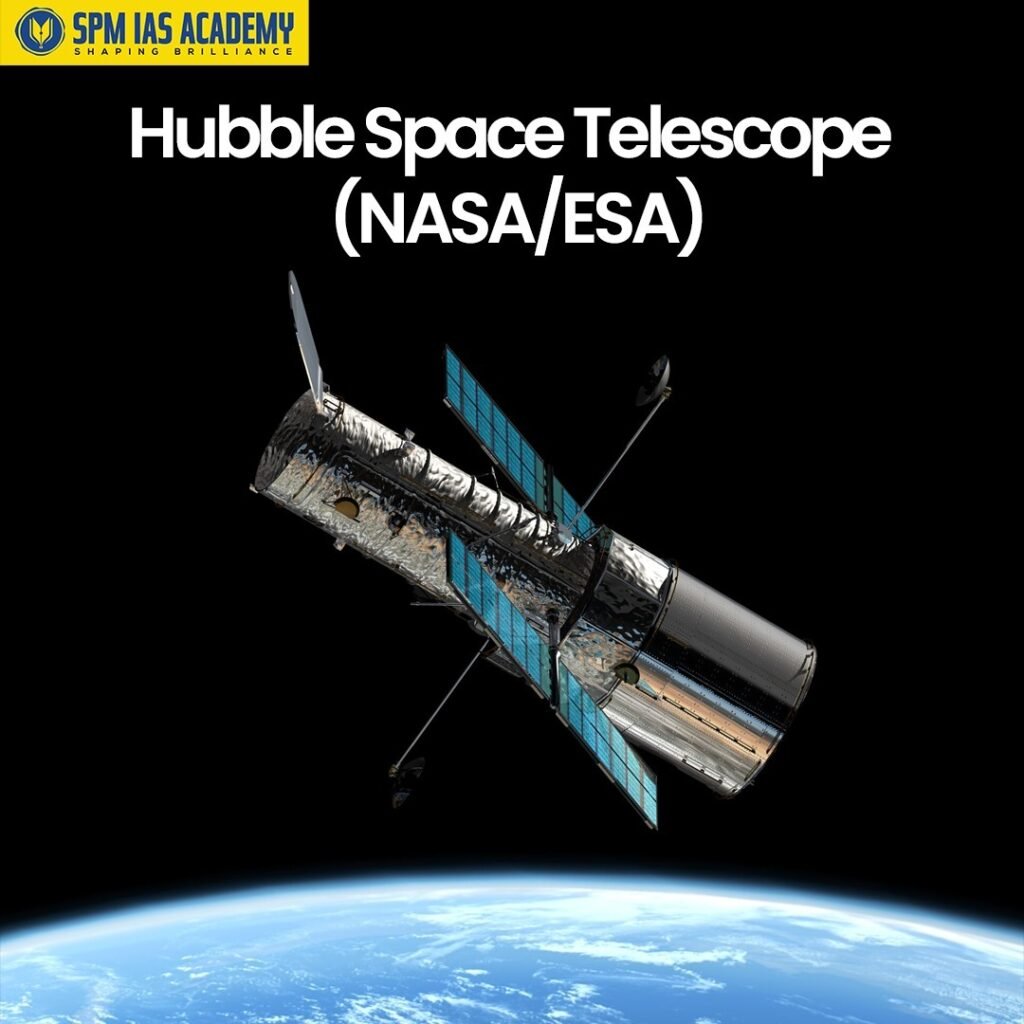
The Hubble Space Telescope (HST) is a remarkable collaboration between NASA and the European Space Agency (ESA). Launched in 1990, it orbits the Earth outside the blurring effects of the atmosphere. As a result, Hubble provides unprecedentedly sharp and deep views of the cosmos. This capability has revolutionized nearly every area of modern astronomy.
For instance, it has helped determine the age of the universe. Additionally, it has confirmed the existence of dark energy. Furthermore, Hubble has captured iconic images of distant galaxies, nebulae, and planets. To ensure its longevity and continued upgrades, five Space Shuttle servicing missions were conducted. Thus, these efforts have cemented Hubble’s legacy as a pivotal explorer of the distant universe.
4. International Space Station (ISS) (NASA, Roscosmos, ESA, JAXA, CSA)

The International Space Station (ISS) is the largest structure ever placed in low Earth orbit. This achievement represents an unprecedented milestone in global scientific and technological cooperation. Furthermore, it is a joint project among five major space agencies. These include NASA (United States), Roscosmos (Russia), the European Space Agency (ESA), the Japan Aerospace Exploration Agency (JAXA), and the Canadian Space Agency (CSA).
Continuously inhabited since 2000, the ISS serves as a unique microgravity research laboratory. As a result, it enables thousands of experiments in various fields such as biology, physics, astronomy, and human health. Additionally, this orbital outpost is important for testing technologies and protocols. These tests are necessary for future deep-space missions to the Moon and Mars.
5. NISAR (NASA-ISRO Synthetic Aperture Radar) (NASA/ISRO)
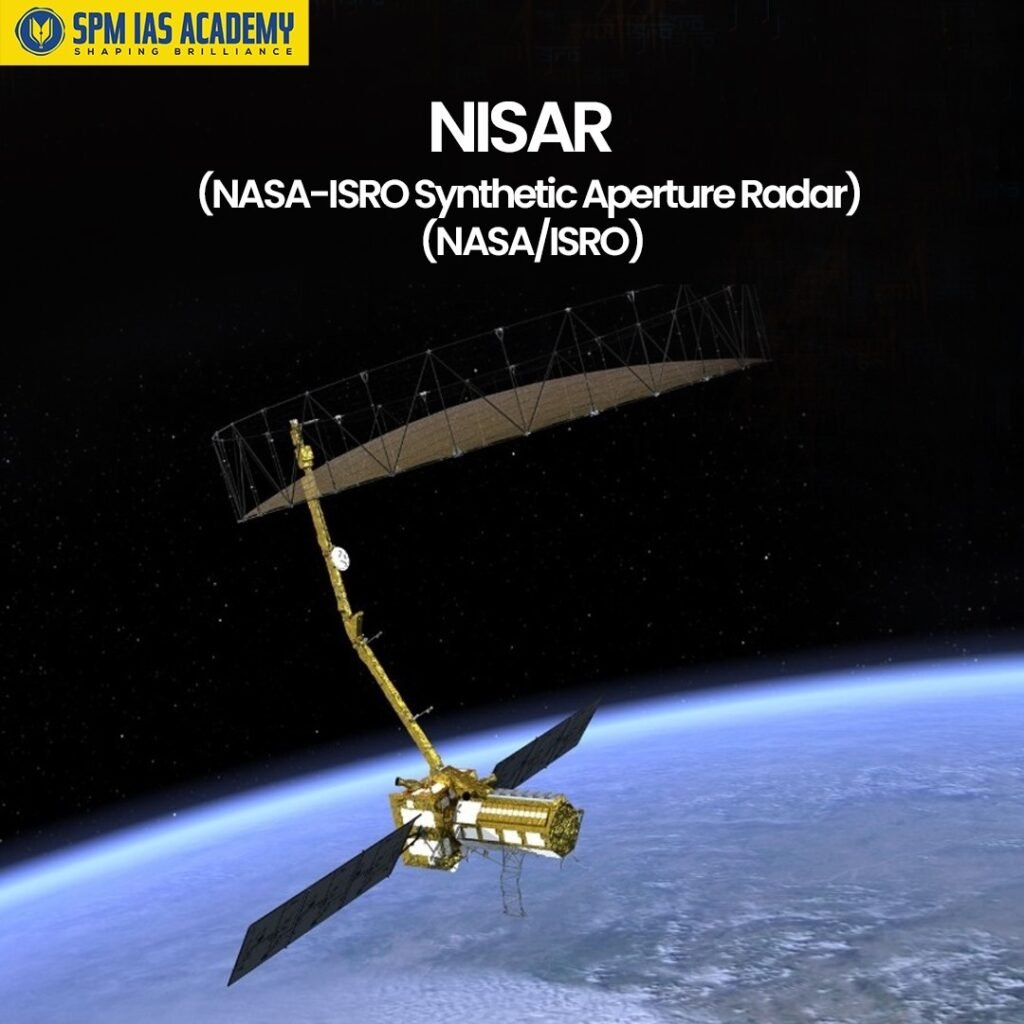
The NASA-ISRO Synthetic Aperture Radar (NISAR) is a collaborative Earth-observing mission. Specifically, it is a partnership between the U.S. National Aeronautics and Space Administration (NASA) and the Indian Space Research Organisation (ISRO). The mission was launched in July 2025. Notably, it is the first satellite to utilize a dual-frequency Synthetic Aperture Radar (SAR), which operates in both the L-band and S-band.
Furthermore, NISAR is designed to map the Earth’s land and ice-covered surfaces every 12 days. This capability allows it to provide unprecedented high-resolution data, both day and night, regardless of weather conditions. The space mission aims to measure subtle surface changes, which can be as small as a centimeter. In doing so, it will help study various processes. For example, these include ice sheet collapse, ecosystem disturbances, and natural hazards such as earthquakes, tsunamis, and volcanic activity.
Ultimately, this important information will enhance climate science, improve disaster management, and support resource stewardship on a global scale.
6. Aryabhata (ISRO)
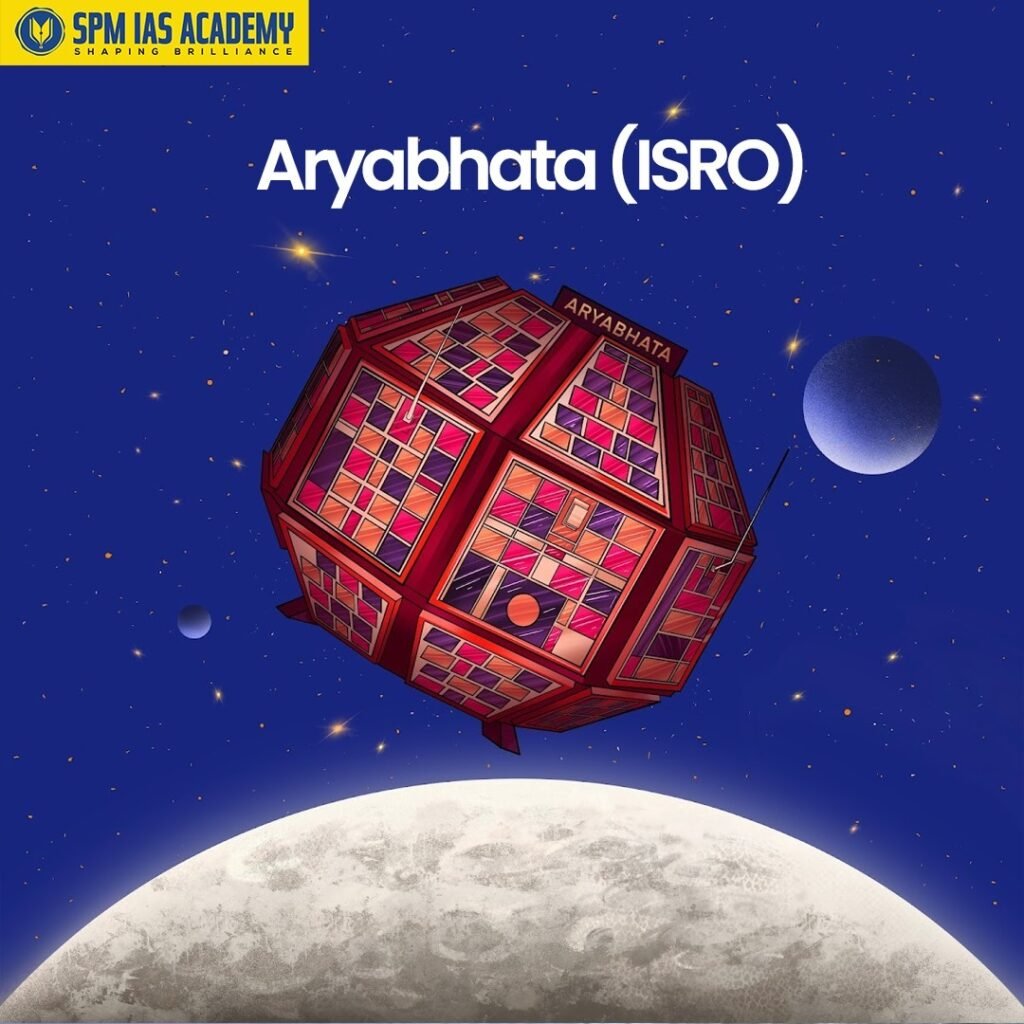
Aryabhata was India’s first satellite. It was launched on April 19, 1975, from the Soviet Union’s Kapustin Yar. The launch vehicle used was a Kosmos-3M. This satellite weighed 360 kilograms and was primarily designed to conduct scientific experiments. Specifically, it focused on X-ray astronomy, solar physics, and aeronomy.
However, shortly after reaching orbit, Aryabhata faced technical issues. As a result, there was a loss of onboard telemetry data. Despite these challenges, Aryabhata was a critical achievement for ISRO. Furthermore, the mission marked the beginning of India’s foray into space.
In addition, it provided valuable lessons in satellite design, fabrication, and operation. These lessons ultimately paved the way for future missions.
7. SLV-3 (ISRO)
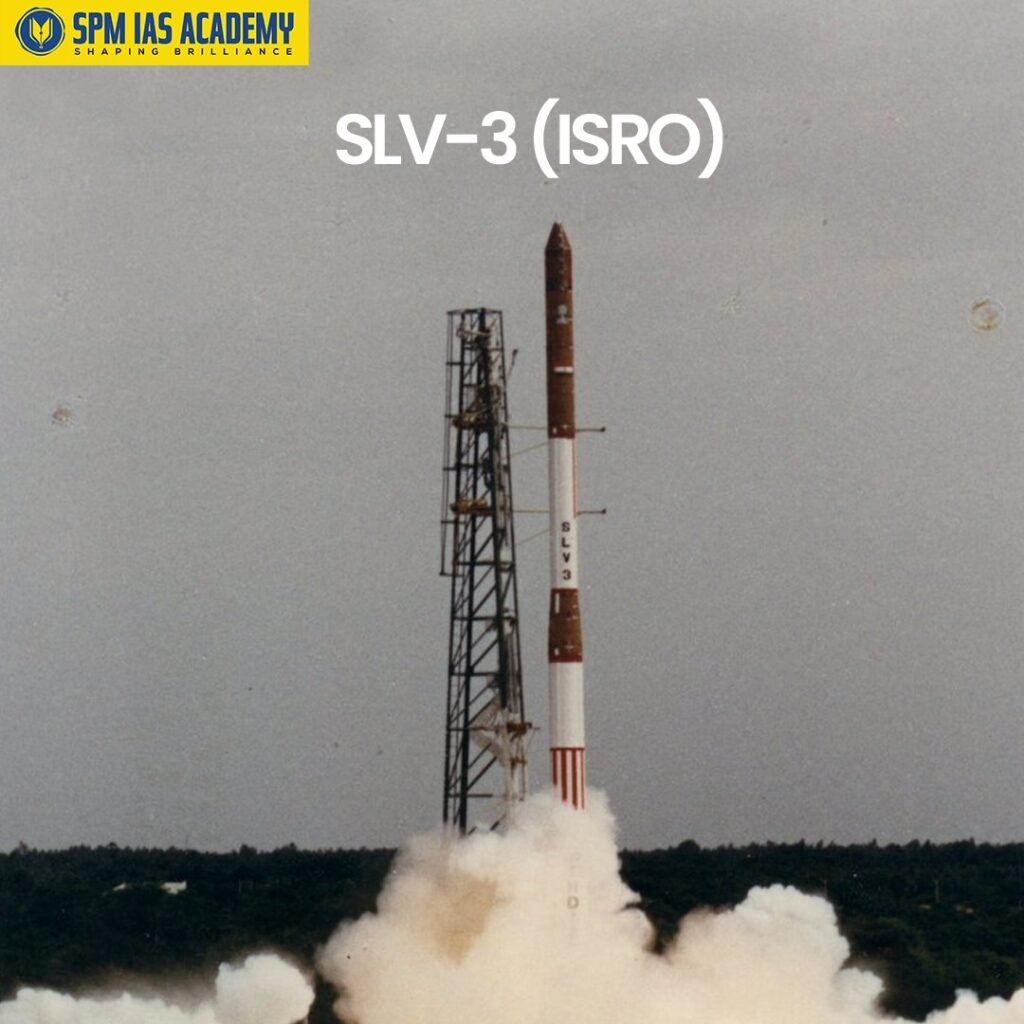
Launched on July 18, 1980, the Satellite Launch Vehicle-3 (SLV-3) was India’s first indigenous satellite launch vehicle. Moreover, this space mission successfully placed the Rohini satellite into orbit. As a result, it marked a historic milestone as India’s first homegrown satellite launch.
The success of SLV-3 not only demonstrated India’s capability to design and build its own launch vehicles, but it also laid the foundation for the development of more advanced launch systems. Consequently, this achievement propelled India into the global arena of space exploration. In summary, this mission was a turning point that transformed ISRO into a key player in the global space community.
8. RISAT-1 (ISRO)
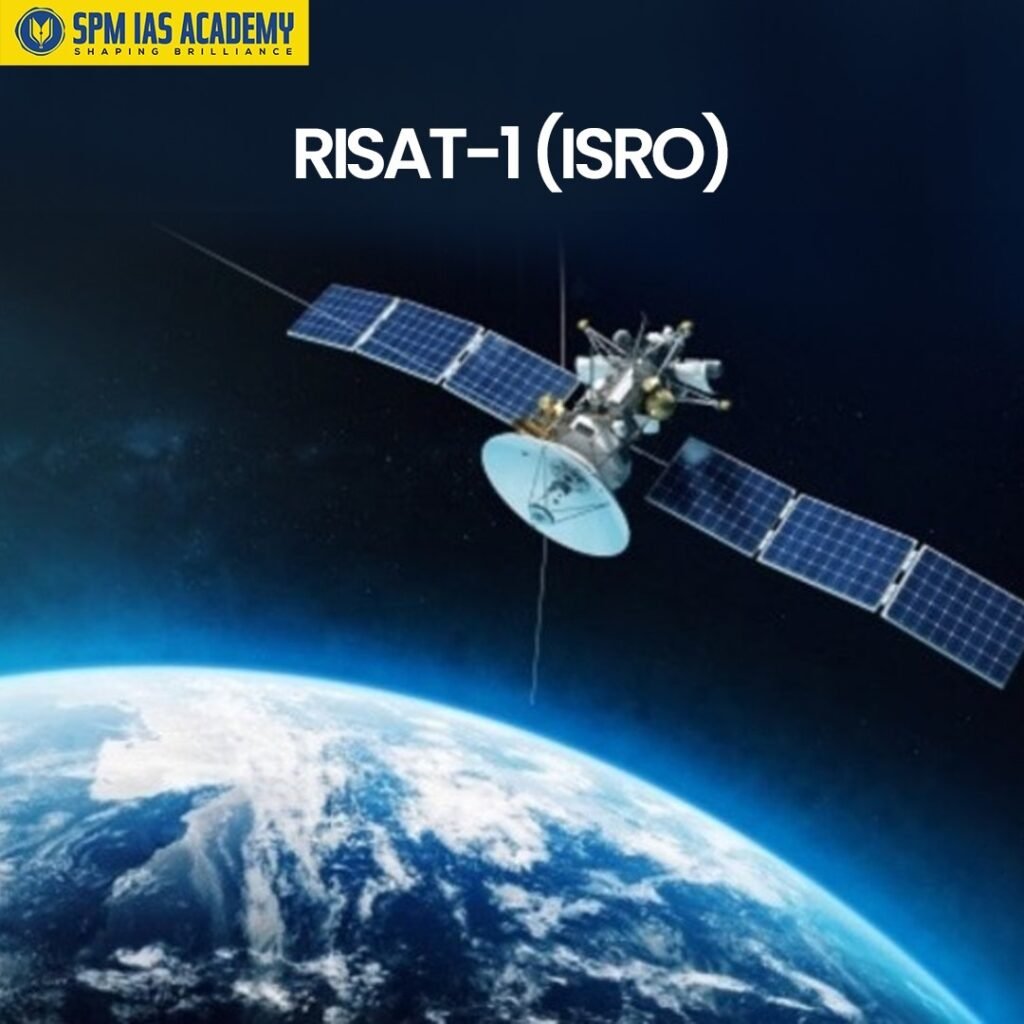
RISAT-1 was launched on April 26, 2012, aboard a PSLV-C19 rocket from the Satish Dhawan Space Centre. This satellite is India’s first radar imaging satellite. It operates in the C-band, which allows for all-weather surveillance capabilities. Consequently, it is particularly useful for agricultural monitoring, forestry, soil moisture estimation, and disaster management.
Furthermore, the synthetic aperture radar (SAR) onboard RISAT-1 enables it to capture high-resolution images of the Earth’s surface. Notably, it can do this even through clouds and rain, which is critical for effective monitoring during natural disasters like floods and cyclones.
Overall, RISAT-1 has significantly bolstered India’s remote sensing capabilities. As a result, it provides crucial data for both civilian and strategic applications.
9. Mangalyaan (Mars Orbiter Mission) (ISRO)
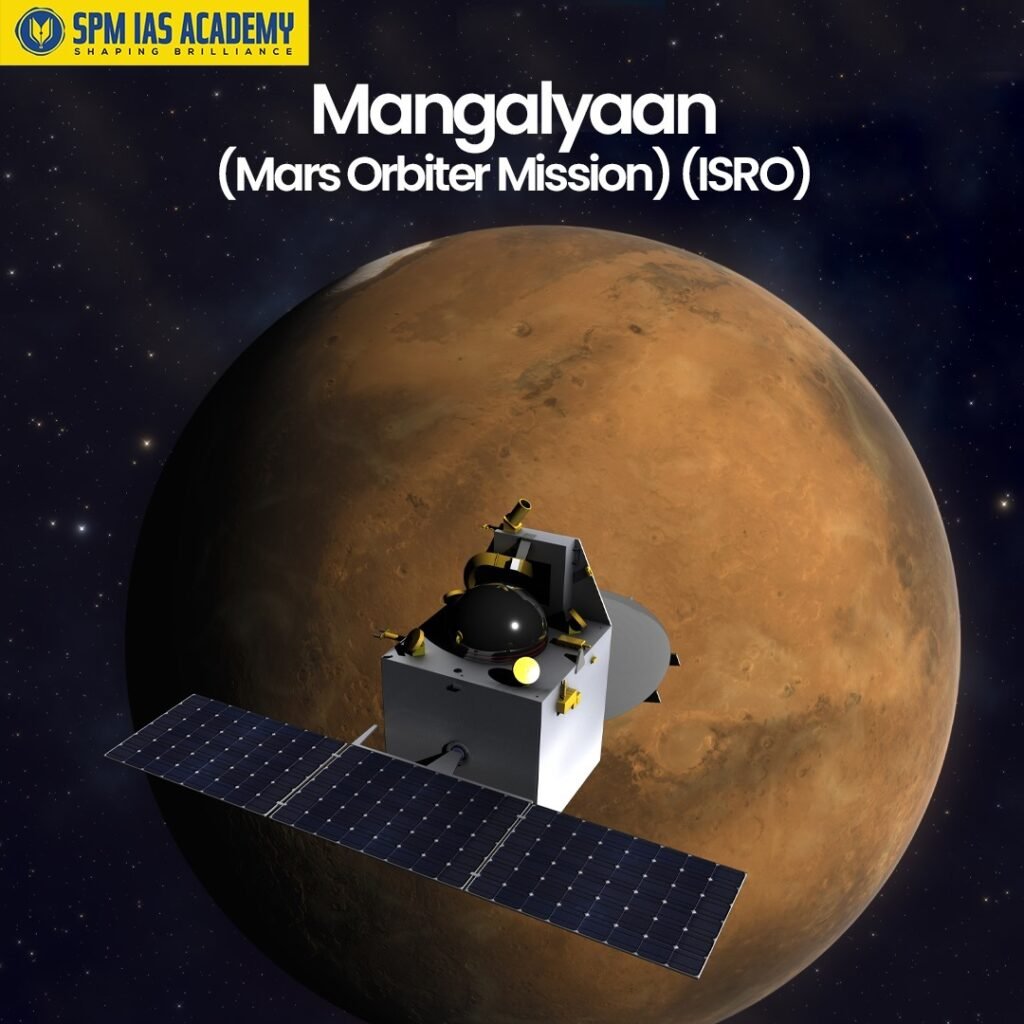
Mangalyaan, also known as the Mars Orbiter Mission (MOM), marked a historic milestone in India’s space exploration journey. Launched on November 5, 2013, it made India the first country to reach Mars orbit on its first attempt. This remarkable feat was achieved solely by ISRO, the Indian Space Research Organisation.
Furthermore, the mission was notable for its cost-effectiveness. With a budget of approximately $74 million, it is considered one of the least expensive Mars missions ever undertaken.
The primary objective of Mangalyaan was to develop the technologies required for interplanetary missions. To accomplish this, it carried five scientific instruments. These instruments were designed to study the Martian surface, morphology, atmosphere, and mineralogy from orbit.
Among its key contributions was the study of the Martian atmosphere. Additionally, Mangalyaan helped discover dust storms on the planet. These findings provided valuable insights into Mars’ climate and its potential for future exploration.
Moreover, the mission highlighted ISRO’s ability to execute complex space missions with remarkable efficiency. As a result, it earned global acclaim. Mangalyaan continues to serve as a source of inspiration, demonstrating India’s growing capabilities in space technology and exploration. Ultimately, it solidified ISRO’s reputation as a leading space agency on the world stage.
10. Chandrayaan Missions (2008, 2019 and 2023) (ISRO)
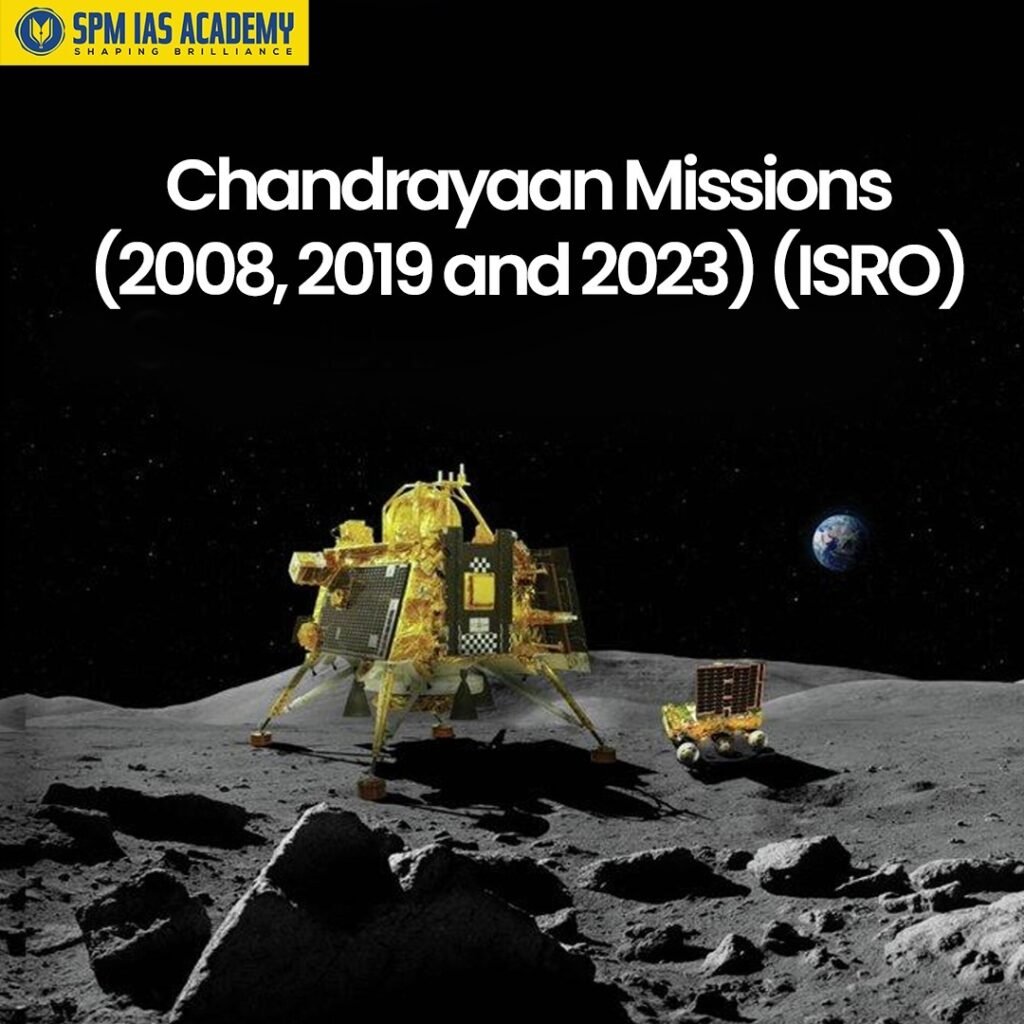
India’s Chandrayaan space missions have significantly advanced lunar exploration. The journey began with Chandrayaan-1, which was launched on October 22, 2008. Subsequently, Chandrayaan-2 was launched on July 22, 2019. This mission aimed to explore the Moon’s south pole. Building on the experiences from these missions, Chandrayaan-3 was developed. Its primary goal was to achieve a successful soft landing. In doing so, it further enhanced India’s contributions to lunar science.
a. Chandrayaan-1 (2008): Launched on October 22, 2008, Chandrayaan-1 was India’s first mission to the Moon. It was launched from the Satish Dhawan Space Centre in Sriharikota using a PSLV-XL rocket. This pioneering mission carried 11 scientific instruments from various international space agencies, such as NASA, ESA, and Bulgaria. As a result, it conducted an extensive exploration of the lunar surface.
The mission’s most groundbreaking discovery was the detection of water molecules on the Moon. Specifically, this finding was made in the permanently shadowed craters near the lunar poles. Moreover, this discovery revolutionized lunar science. It challenged the prevailing belief that the Moon was completely dry. Ultimately, this opened up new avenues for future exploration and the potential for human habitation on the Moon.
b. Chandrayaan-2 (2019): Building on the success of its predecessor, Chandrayaan-2 was launched on July 22, 2019, from the Satish Dhawan Space Centre. It used a GSLV Mk III rocket. This mission aimed to further explore the lunar surface, particularly the unexplored south pole region. Chandrayaan-2 consisted of an orbiter, a lander named Vikram, and a rover called Pragyan. While the lander experienced a setback during its descent, the orbiter provided valuable data. This data included high-resolution images and insights into the Moon’s exosphere. The mission has been pivotal in advancing India’s technological capabilities. It has also deepened our understanding of the lunar environment.
c. Chandrayaan-3 (2023): Launched on July 14, 2023, Chandrayaan-3 marked ISRO’s renewed efforts to achieve a successful soft landing on the Moon. Specifically, it targeted the lunar south pole. This mission was designed as a follow-up to Chandrayaan-2. Importantly, it included a lander and a rover, but it did not include an orbiter.
On August 23, 2023, Chandrayaan-3 successfully landed near the Moon’s south pole. As a result, India became the first country to achieve a soft landing in this challenging region. This accomplishment is a significant milestone in ISRO’s lunar exploration program. Furthermore, it demonstrates India’s growing expertise in space exploration and its commitment to pushing the boundaries of scientific discovery.
Conclusion
Space missions today are no longer limited to scientific exploration. In fact, they influence various fields, such as climate studies, national security, economic development, diplomacy, and technological leadership. For UPSC aspirants, understanding these space missions is important. It helps connect science with governance and strategy.
For structured guidance on science and technology topics, explore expert-led UPSC Coaching in Guwahati.
India’s progress, notably from Chandrayaan to Gaganyaan, reflects its transformation into a responsible and capable space power. Additionally, global missions demonstrate how space has become the new frontier of geopolitics and cooperation.
Frequently Asked Questions
Space missions are important for GS Paper III as they link science and technology with governance, national security, disaster management, climate studies, and international cooperation. They are frequently asked in both Prelims and Mains.
Chandrayaan-3 is highly important as it achieved the first soft landing near the Moon’s south pole, highlighting India’s indigenous technological capability and future potential in lunar exploration.
Aditya-L1 studies the Sun’s atmosphere and solar storms, improving space weather prediction that helps protect satellites, power grids, communication systems, and national infrastructure.
Gaganyaan marks India’s entry into human spaceflight, strengthening self-reliance in advanced technologies, space medicine, and crew safety, and enhancing India’s global stature in space capabilities.
The James Webb Space Telescope studies the early universe in the infrared spectrum, helping scientists understand galaxy formation, star birth, and the possibility of life on exoplanets.

Behind every article at SPM IAS Academy is a team of skilled content writers and subject experts committed to making preparation easier for aspirants. From answering common doubts to breaking down complex issues and current affairs, we create content that is accurate, easy to understand, and directly useful for UPSC, APSC, and other competitive exams.