
What Is Bagurumba Dwhou, 2026?
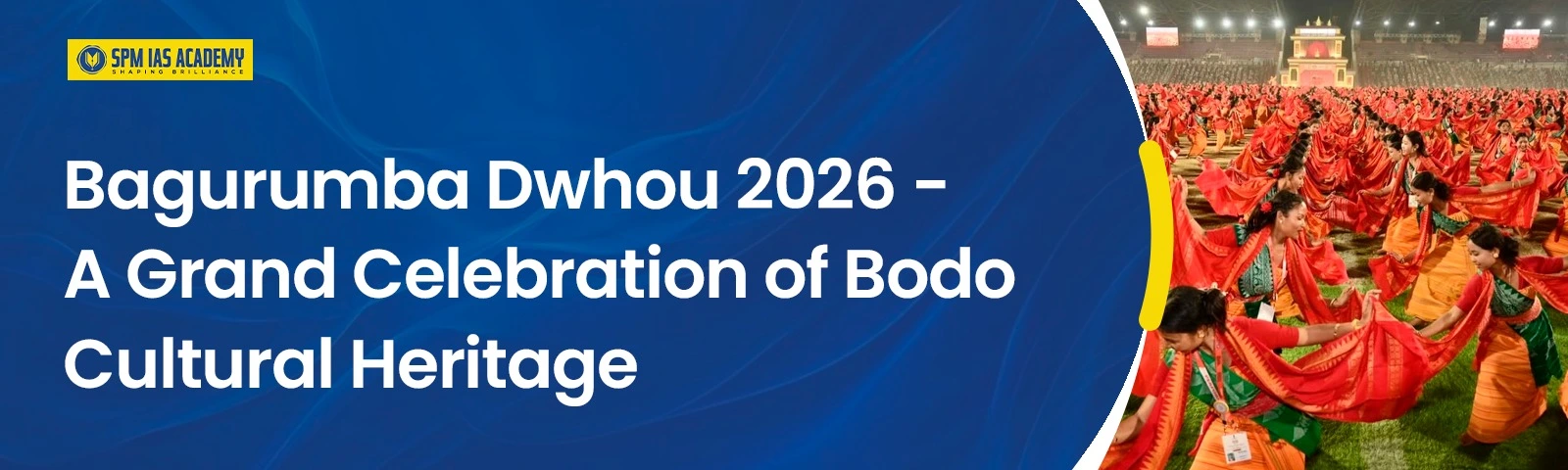
Bagurumba Dwhou 2026 is a large-scale traditional Bodo cultural programme organised to showcase the artistic excellence of the Bodo people. The word “Dwhou” means festival or celebration. Hence, the event reflects collective joy, heritage, and identity. The Prime Minister’s participation added national significance to the programme. As a result, the event brings Assam’s indigenous culture to the global spotlight.

About the event – Bagurumba Dwhou, 2026:
India’s rich cultural diversity has witnessed a historic moment as the Prime Minister of India participated in Bagurumba Dwhou 2026 on 17th January, 2026 at Sarusajai Stadium. This landmark event celebrated the vibrant heritage of the Bodo community, one of the largest indigenous communities of Assam.
Bagurumba Dwhou 2026 stands as a powerful symbol of cultural pride, unity, and tradition. On this occasion, more than 10,000 Bodo artists performed the iconic Bagurumba dance in a single, synchronized presentation. Moreover, participants have represented 81 Legislative Assembly Constituencies from 23 districts of Assam, making it one of the largest traditional dance performances in the state.
This grand cultural programme highlights India’s commitment to preserving indigenous art forms and promoting cultural harmony. For students, aspirants, and learners preparing for competitive exams such as UPSC, APSC and other state PCS exams, such events are highly relevant from the perspective of Indian culture, regional traditions, and current affairs.
About Bagurumba Dance: The Soul of Bodo Culture:
What Is Bagurumba Dance?
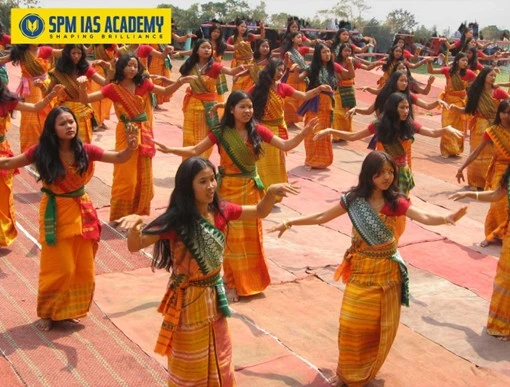
Bagurumba is one of the most graceful folk dances of the Bodo community. It draws deep inspiration from nature and symbolises blooming flowers, free birds, and flowing life. Traditionally, young Bodo women perform this dance, while men support them as musicians.
The dancers move gently, imitating butterflies, birds, leaves, and flowers. Usually, performers dance in groups, forming circles or lines. This arrangement enhances the visual beauty and harmony of the performance.
Cultural Meaning and Symbolism of Bagurumba:
Why Is Bagurumba Called the “Dance of Birds”?
The term “Bagurumba” comes from two Bodo words:
- “Bagu” meaning bird
- “Rumba” meaning dance
Together, it means “Dance of Birds”. Due to its soft movements, people also call it the “Butterfly Dance”. The dance reflects peace, balance, and the deep bond between humans and nature.
Traditional Attire of Bagurumba Performers:
Bagurumba is exclusively performed by Bodo women, who wear elegant traditional attire, including:
- Dokhna – a handwoven cloth draped around the body.
- Jwmgra (Fasra) – a wraparound skirt with intricate designs.
- Aronai – a colourful shoulder cloth symbolising respect and culture.
These garments highlight the rich weaving tradition of the Bodo community and add elegance to the dance.
Dance Movements and Presentation Style:
Bagurumba dance features slow, rhythmic, and synchronized movements. The dancers move in harmony with music, expressing peace, fertility, prosperity, and unity. Every step reflects respect for nature and collective living.
As a result, the dance becomes both a visual and spiritual experience.
Musical Instruments Used in Bagurumba Dance:
Male musicians usually play traditional instruments to support the dance. The key instruments include:
- Kham – a long drum that provides deep rhythm
- Sifung – a bamboo flute with soothing melodies
- Jota – a metal percussion instrument for sharp beats
- Serja – a bowed string instrument adding emotional depth
- Gongwna – a bamboo instrument with resonating sound
- Tharkha – a split bamboo instrument creating rhythmic claps
Together, these instruments create a natural and soulful musical atmosphere.
Cultural and Spiritual Importance of Bagurumba:
Bagurumba holds deep cultural and spiritual value for the Bodo people. It is closely linked with festivals such as Bwisagu (Bodo New Year), Domasi, and harvest celebrations. The dance expresses gratitude for nature, agricultural prosperity, and new beginnings. Moreover, it plays a vital role in passing cultural values to future generations.
Conclusion:
Bagurumba Dwhou 2026 is more than a cultural programme. It is a celebration of heritage, harmony, and identity of the Bodo community. With the participation of the Prime Minister and thousands of artists, the event strengthened cultural pride and national unity. For learners and aspirants, understanding such events helps build strong foundations in Indian culture and contemporary affairs, making it an essential topic for academic and competitive exam preparation.
Sources:
https://www.pmindia.gov.in/en/news_updates/pm-to-visit-assam-on-17-18-january/?comment=disable
FAQ:
Bagurumba Dwhou 2026 is a large-scale traditional cultural programme celebrating the heritage of the Bodo community in Assam. It is important because it showcases indigenous culture and promotes cultural unity.
Bagurumba Dwhou 2026 will be held on 17th January 2026 at Sarusajai Stadium, Guwahati, Assam. The Prime Minister of India will participate in the event, giving it national importance.
Bagurumba is a traditional folk dance of the Bodo community. It is inspired by nature and symbolises birds, butterflies, flowers, and harmony with the environment. Bodo women perform the dance, while men play traditional musical instruments.
More than 10,000 Bodo artists will perform the Bagurumba dance in a single synchronized presentation. Artists will represent 81 Legislative Assembly Constituencies from 23 districts of Assam.
Bagurumba Dwhou 2026 is historic because more than 10,000 Bodo artists will perform together. Moreover, participants will come from 81 Assembly Constituencies across 23 districts of Assam. Most importantly, the presence of the Prime Minister gives the event strong national importance.

Behind every article at SPM IAS Academy is a team of skilled content writers and subject experts committed to making preparation easier for aspirants. From answering common doubts to breaking down complex issues and current affairs, we create content that is accurate, easy to understand, and directly useful for UPSC, APSC, and other competitive exams.