
The Oxford Dictionary selected ‘rage bait’ as the Word of the Year 2025. The choice reflects the growing impact of digital behaviour on society. Oxford continues to highlight expressions shaped by technology and online culture. Last year, the dictionary chose “brain rot”, a term linked to mental exhaustion caused by low-quality online content. This year, however, the focus shifted to a far more deliberate digital trend. Rage bait captures intentional attempts to provoke anger and drive engagement.
Rage bait has become a powerful symbol of how users experience social media today. The term also mirrors the emotional manipulation present across many online platforms. As social media grows more competitive, creators increasingly depend on provocative content to attract attention. Therefore, rage bait has emerged as a defining feature of digital communication.
What Is Rage Bait?
- Rage bait refers to content designed to provoke anger. Creators use such content to increase engagement, traffic, or clicks. They often use exaggerated claims, emotional triggers, or misleading information.
- Rage baiting can appear in online posts, videos, headlines, or comments. It usually targets polarising topics and amplifies controversy.
- Rage bait differs from casual negativity. It is strategic and intentional. Creators design it to trigger instant outrage.
- As a result, users feel compelled to respond, share, or argue. Platforms reward this behaviour because engagement increases their reach.
- Rage bait resembles clickbait. However, clickbait focuses on curiosity. Rage bait focuses on negative emotional reactions.
- This shift shows how digital culture has changed. Anger spreads faster than interest. So many creators use rage bait to influence public attention.
How Rage Bait Works Online:
- Rage bait spreads quickly on digital platforms. Social media algorithms reward content that receives strong reactions. Outrage, comments, and arguments boost visibility. Consequently, rage-bait content moves to the top of user feeds.
- Creators exploit polarising topics. They present one-sided arguments or remove nuance. Users feel attacked or provoked. They respond immediately, which increases engagement. This cycle drives more traffic to the platform.
- Examples include:
- Out-of-context video clips
- Misleading captions
- Exaggerated claims
- Fabricated stories about daily life
- Posts linked to politics or conspiracy theories
Rage bait appears harmless at first. Yet it shapes how people think and interact online. It contributes to misinformation, social division, and emotional exhaustion.
Procedure of Choosing Word of the Year:
- Oxford Dictionary follows a detailed selection process. The decision involves public voting and expert analysis.
- Over 30,000 users voted on the Oxford website this year. Rage bait received strong public interest because of its relevance.
- Lexicographers study new and emerging words. They examine changes in language use and cultural influence. They also observe global events and online trends. Rage bait stood out due to the rising concern about digital manipulation. The term captured a cultural shift in online behaviour.
- Moreover, rage bait reflects modern anxieties. People are increasingly aware of harmful media practices. The word highlights how online ecosystems use emotions for profit. Its selection encourages conversations about healthier digital habits.
Rage Bait in Today’s Digital Culture:
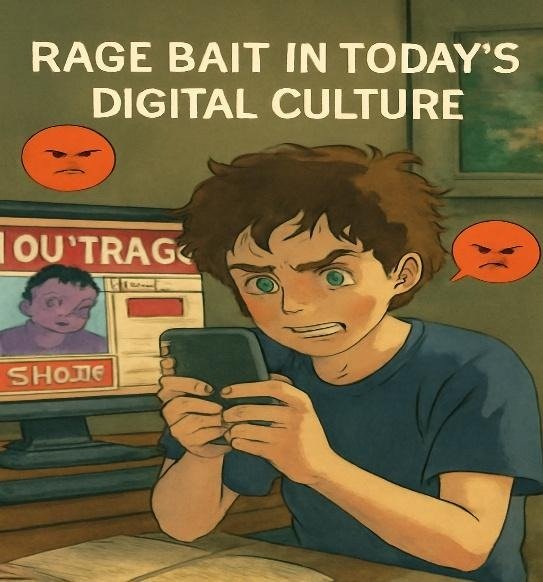
- Rage bait dominates many online spaces. Users encounter aggressive headlines and controversial posts daily. Many feel overwhelmed by constant negativity. Outrage culture has become a part of online communication.
- As social divisions grow, platforms profit from emotional reactions. Sensational posts keep users engaged for longer periods. This behaviour increases advertising revenue. Therefore, rage bait flourishes within current digital systems.
- Young users face even more challenges. They consume content rapidly and constantly. It becomes difficult to ignore provocative posts. Many creators rely on dramatic storytelling to attract attention.
- Oxford notes that the internet has changed quickly. Earlier, clickbait sought curiosity. Today, rage bait seeks anger. The rise of rage farming further intensifies this issue.
- Rage farming involves repeated attempts to provoke strong reactions. It manipulates emotions over time and builds a loyal, polarised audience.
Example of Rage Bait Spread: Platform Monetisation:
- One of the clearest examples appears on X (formerly Twitter). The platform introduced monetisation features. Users with blue-tick verification could earn money through views. This encouraged many to post provocative content to increase visibility.
- As more people sought revenue, rage-bait posts grew. Users created polarising debates to attract engagement. This environment influenced online behaviour across many regions.
- Today, rage bait includes:
- Fake anecdotes
- Exaggerated personal stories
- Political misinformation
- Viral conspiracy theories
Users must stay cautious. Digital literacy has become essential in understanding online content.
How Rage Bait Affects Society:
- Rage bait influences emotions, relationships, and information consumption. Many users feel mentally drained. Constant exposure to negativity increases stress levels. Moreover, repeated outrage reduces empathy.
- Rage bait also distorts public opinion. People react without verifying facts. Misleading narratives spread quickly. As a result, trust in institutions weakens. Communities become polarised.
However, users can reduce the impact with mindful habits. They can pause before reacting. They can verify information through credible sources. They can also adjust their content preferences.
Other Words in the Oxford Final List:
Oxford shortlisted two more expressions. Both terms reflect modern identity and self-improvement trends.
- Bio Hack: Bio hacking refers to efforts to improve health. People use small lifestyle changes or tools to enhance performance. This trend has grown due to rising interest in wellness technology.
- Aura Farming: Aura farming describes attempts to appear charming or impressive. Users curate their behaviour to create a positive image. Social media encourages such practices. People adjust their online presence to gain approval.
Other Word of the Year Announcements:
Different dictionaries announced their own words of the year.
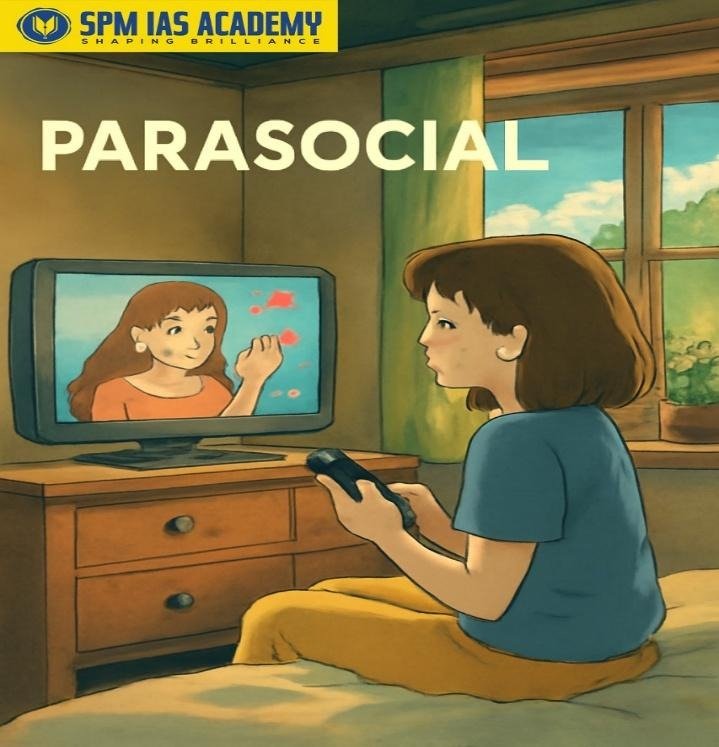
- Parasocial – Cambridge Dictionary:
- Cambridge selected parasocial as the word of the year, 2025. Parasocial relationships describe one-sided emotional bonds with public figures.
- People feel connected to celebrities, influencers, or even AI chatbots. However, these figures remain unaware of the audience.
- The rise of livestreams and online communities increases parasocial behaviour. Many users depend on such relationships for emotional support. This shift reveals changing ideas of belonging and identity.
- Vibe Coding – Collins Dictionary:
- Collins Dictionary has chosen vibe coding as its word. Vibe coding refers to deliberately crafting one’s environment or aesthetic.
- People use this to express identity or attract approval. This includes social media layouts, room decor, or personal style.
- The trend reflects curated self-expression. Modern identity involves visual storytelling. People consciously shape their surroundings to match a chosen vibe.
Why This Topic Matters for Students:
- UPSC and other competitive exams often include questions on language trends. Words of the year reflect social, cultural, and technological changes. Understanding these concepts helps students interpret digital society.
- Moreover, these terms appear in essays, ethics papers, and interview discussions. Students must analyse how language captures new behaviour patterns.
- Rage bait highlights media influence. Many aspirants rely on digital platforms for information. Therefore, awareness of manipulation techniques becomes essential. It helps them navigate online resources with clarity.
Conclusion:
Rage bait represents a major shift in digital communication. Oxford’s choice reveals increasing concerns about online behaviour. The term emphasises emotional manipulation, media influence, and societal impact. As users engage with digital platforms daily, understanding such concepts becomes important. Students must observe how language evolves. These changes offer insights into modern life. They also prepare aspirants for discussions in exams and interviews.
Sources:
- https://indianexpress.com/article/explained/explained-culture/oxford-word-of-the-year-rage-bait-10396215/
- https://indianexpress.com/photos/lifestyle-gallery/why-using-nonstick-pans-can-be-harmful-10396077/
- https://www.bbc.com/news/articles/cewjxqvqzgyo
- https://corp.oup.com/news/the-oxford-word-of-the-year-2025-is-rage-bait/
Follow Satyaji Sir’s Newspaper Analysis for the Best Current Affairs
Stay updated with the best current affair insights by following Satyaji Sir’s Newspaper Analysis. Learn how to prepare current affair for UPSC efficiently, and get focused content for current affair for APSC and State PSC exams. This analysis breaks down complex news into easy, exam-oriented points, helping you stay informed and ahead in your preparation.
Rage bait refers to content deliberately designed to provoke anger or outrage, aiming to increase engagement, traffic, or clicks on digital platforms.
Rage bait works by triggering emotional reactions, such as anger, through controversial or exaggerated posts, leading to increased visibility and engagement on platforms.
Oxford chose “rage bait” for its growing influence in digital media, reflecting societal trends in emotional manipulation and online engagement in the digital age.
Rage bait distorts public opinion, increases stress, reduces empathy, and contributes to polarization, as users react emotionally without verifying facts.
Other words shortlisted include bio hack (improving health with small lifestyle changes) and aura farming (curating a positive public image on social media).

Behind every article at SPM IAS Academy is a team of skilled content writers and subject experts committed to making preparation easier for aspirants. From answering common doubts to breaking down complex issues and current affairs, we create content that is accurate, easy to understand, and directly useful for UPSC, APSC, and other competitive exams.