
The Hornbill Festival has returned once again with its vibrant colors, rich culture, and unmatched festive spirit. This year, the state of Nagaland is celebrating its 26th edition of this iconic moment, starting December 1 to December 10, and the event continues to highlight the cultural identity of the Naga tribes. Since it began, the Hornbill Festival has grown into one of India’s most recognized cultural festivals, which attracts visitors from across the country and from abroad. Hence, because of its scale and purpose, the festival is often called the “Festival of Festivals.”
Nagaland: Quick Snapshot
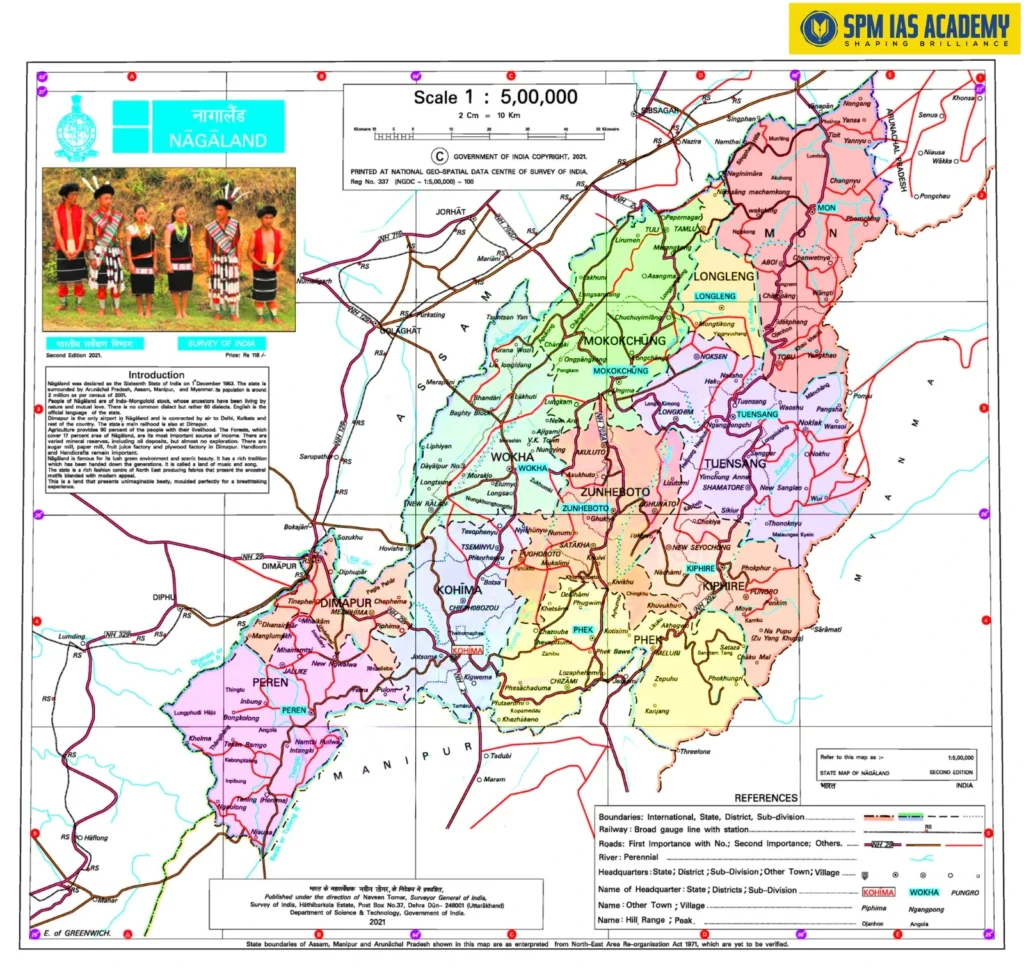
Here is some information regarding Nagaland
| Feature | Details |
| Capital | Kohima |
| Largest City | Dimapur |
| Formed On | 1 December 1963 |
| Official Language | English |
| State Animal | Mithun |
| Neighbouring States | Assam, Arunachal Pradesh, Manipur |
| International Border | Myanmar |
What Is the Hornbill Festival?
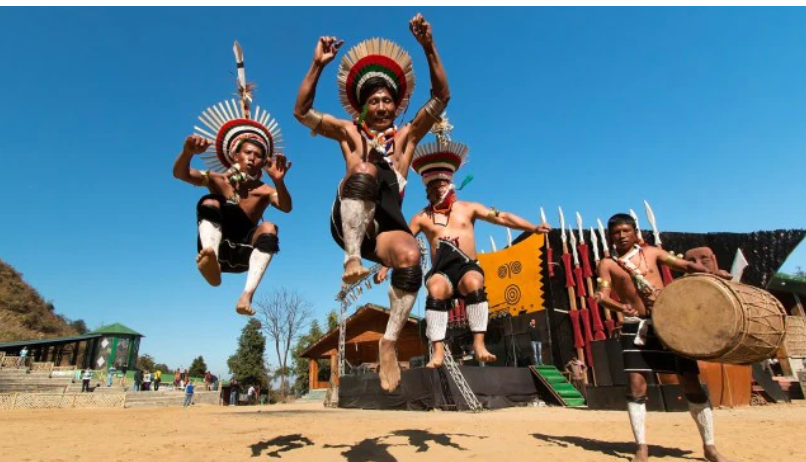
The Hornbill Festival is celebrated every year to revive, protect, sustain, and promote the rich heritage and traditions of the Naga tribes. The festival brings together all major tribes of Nagaland on one platform, which enables them to showcase their music, dance, crafts, food, and customs.
Moreover, the festival takes place every year from December 1 to 10, making it a major annual cultural event in the Northeast.
History of the Hornbill Festival
The Hornbill Festival was first celebrated in the year 2000. The initiative came from the Government of Nagaland, which organised it under the Department of Tourism. The idea was simple yet powerful, that is to preserve tribal culture and, at the same time, boost tourism in the state.
Why the Name “Hornbill Festival”?
The festival is named after the great hornbill, one of the most admired birds in the region. The hornbill holds a significant place in Naga folklore and traditions. Additionally, many tribes consider the hornbill a symbol of bravery, beauty, and cultural pride.
Aims of the Hornbill Festival
The Hornbill Festival continues to serve some very clear objectives:
- Firstly, to promote Naga tribal culture
- Second, to boost tourism in Nagaland
- Moreover, it also stands as a symbol of unity among all Naga tribes on a single platform
Because of these aims, the Hornbill Festival has become a bridge between tradition and modern cultural exchange.
Current Update: 26th Edition Begins
The 26th edition of Nagaland’s flagship cultural event started on 1st December and will continue until 10th December. This year’s edition features expanded cultural performances, more local entrepreneurs, larger craft exhibitions, and new tourism activities. As always, the festival is held at the Naga Heritage Village, Kisama.
Stay updated with the latest Current Affairs while exploring Nagaland’s vibrant Hornbill Festival.
Hornbill Bird: Key Facts You Should Know
Since the Hornbill Festival takes its name from this magnificent species, it is important to understand the relevance of the hornbill bird.
Important Facts
- Firstly, it is listed as Vulnerable in the IUCN Red List
- Secondly, it is the state bird of Kerala and Arunachal Pradesh. Even though the Hornbill Festival is named after the hornbill bird, it is important to note that the state bird of Nagaland is Blyth’s Tragopan, a colourful pheasant species.
- Moreover, it is found widely in the Indian subcontinent and Southeast Asia
Features of the Great Hornbill
- It is one of the largest hornbill species in India
- Their males have red eyes and females have white eyes
- Moreover, they are known for its loud echoing call
- They mostly live in evergreen and moist deciduous forests
- Their lifespan is of 35–40 years in the wild
Threats
- Habitat loss
- Hunting for feathers and casque
- Logging and land-use change
Protection Status
- Firstly, it is listed in Schedule I of the Wildlife Protection Act, 1972
- Second, it is protected by conservation foundations and forest authorities
Because of its ecological importance and cultural significance, the hornbill remains a symbol of pride in the Northeast.
Conclusion
The Hornbill Festival stands as a powerful celebration of culture, unity, and identity. With the 26th edition taking place from December 1 to 10, Nagaland once again showcases its traditions to the world. As the festival keeps growing every year, it not only strengthens cultural pride among the Naga people but also boosts tourism and global interest in the state. The spirit of the Hornbill Festival continues to inspire, educate, and bring diverse communities together.
Follow Satyaji Sir’s Newspaper Analysis for the Best Current Affairs
FAQs
The Hornbill Festival is a cultural event held every year in Nagaland to showcase the traditions, dances, music, crafts, and lifestyle of all major Naga tribes. It brings every tribe onto one stage and promotes cultural unity.
The festival is celebrated every year from December 1 to December 10 at the Naga Heritage Village in Kisama.
It is named after the great hornbill bird, which holds deep cultural significance in Naga folklore. The bird symbolises beauty, bravery, and traditional pride.
The Government of Nagaland started the Hornbill Festival in 2000 to preserve tribal heritage and boost tourism in the state.
Visitors can enjoy tribal dances, folk music, food stalls, handloom exhibitions, traditional games, local art, rock concerts, and adventure activities.
The Hornbill Festival takes place at the Naga Heritage Village, Kisama, located about 12 km from Kohima.
No. Although the festival is named after the hornbill, Nagaland’s state bird is Blyth’s Tragopan, a beautifully colored pheasant.
The hornbill is important because it plays a key ecological role as a seed disperser and also holds cultural value among the Naga tribes. It is listed as Vulnerable on the IUCN Red List.
The festival runs for 10 days, beginning on December 1 and concluding on December 10 every year.
The festival attracts tourists because it offers a rare chance to witness the traditions of all Naga tribes in one place. The mix of culture, food, music, and scenic beauty makes it a unique and memorable experience.