

Gaon buras and Gaon buris play an important role in preserving traditional governance in Arunachal Pradesh. They serve as village-level custodians within the community. Moreover, they act as a bridge between local customs and the formal administrative system.
In this article, we will discuss their functions and the authority of Gaon buras and Gaon buris. Additionally, we will be exploring their cultural importance. Knowing their role in the state can enhance our understanding of the state’s indigenous leadership structure and grassroots administration.
Why in the News?
In a recent development, the Assam Cabinet announced a significant change. Village-level functionaries will now be officially recognized as ‘Gaon Pradhans.’ This change aims to enhance the recognition and authority of local leaders. Gaon Pradhans play an important role in managing community affairs. Additionally, they help bridge the gap between the government and the villagers. Moreover, the new title underscores the significance of these leaders in the community.
This initiative ultimately seeks to foster a stronger sense of identity within the administrative framework. Furthermore, the government noted that many young men and women become Gaon Buras. Thus, the term ‘Bura,’ which means ‘old’ in Assamese, is no longer considered appropriate.
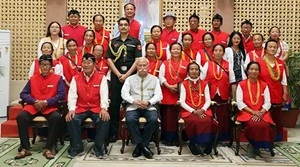
What are Gaon Buras and Gaon Buris in Arunachal Pradesh?
The institution of Gaon Bura (male) and Gaon Buri (female) is a traditional and administrative system in Arunachal Pradesh. This system predates modern governance structures. Specifically, GBs are village elders or representatives.
They are recognized officially by the district administration. Consequently, Gaon Buras and Gaon Buris in Arunachal Pradesh serve as the link between the government and the village community. Moreover, their roles have been codified and recognized under the Assam Frontier (Administration of Justice) Regulation, 1945.
1. What are Gaon Buras in Arunachal Pradesh?
Gaon Buras in Arunachal Pradesh are the village headmen. Furthermore, they serve as the eyes, nose, and ears of the district administration at the village level. However, women Gaon Buras are not very common. Nonetheless, they take over the role if their husbands die.
2. What are Gaon Buris in Arunachal Pradesh?
Gaon Buris in Arunachal Pradesh are traditional women village leaders. They assist in local governance and community administration at the grassroots level. Additionally, they work alongside Gaon Burahs, who are the male village heads. Together, they help maintain social harmony and resolve minor disputes. Furthermore, they convey government schemes and uphold customary laws.
Moreover, Gaon Buris plays an important role in representing women’s voices in village decision-making. This representation strengthens community participation. It also helps preserve indigenous traditions across Arunachal Pradesh.
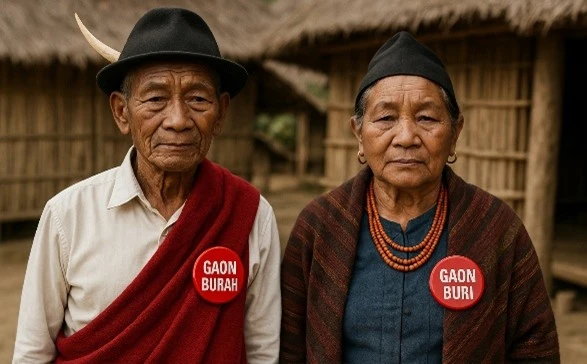
What is the History of Gaon Buras and Gaon Buris of Arunachal Pradesh?
The history of Gaon Buras and Gaon Buris in Arunachal Pradesh is rooted in the state’s indigenous systems of self-governance. Moreover, every tribe and village followed its own customary laws. As a result, respected elders were chosen to lead the community and maintain social order.
1. Traditional Origins
Initially, Gaon Buras, or village elders, emerged as custodians of tribal customs. They also played a significant role in land rights and social justice. Furthermore, these elders were responsible for settling disputes within the community. They organized various community activities and worked to ensure harmony through traditional norms. Importantly, their authority stemmed from collective respect, wisdom, and experience. This was distinct from formal appointments, highlighting their unique role within the community.
2. Introduction of Gaon Buris
Over time, especially in communities where women held significant social influence, the role of Gaon Buris evolved. Consequently, they began to support village leadership more actively. Gaon Buris addressed family and social matters effectively. Moreover, they represented women’s concerns within the community. Additionally, they worked to preserve cultural values. In doing so, they strengthened inclusive governance at the village level.
3. Recognition under Modern Administration
During the British period, the institution of Gaon Buras and Gaon Buris was recognized. Later, this recognition continued under the Indian administrative framework. Consequently, the government began appointing them. They served as intermediaries between villagers and the state. Moreover, the government supported their role while still allowing them to function according to customary laws.
4. Present Significance
Today, Gaon Buras and Gaon Buris continue to play an important role in Arunachal Pradesh. They blend traditional leadership with modern governance. Furthermore, their historical evolution reflects the state’s deep respect for indigenous institutions. This, in turn, highlights the importance of community-based administration.
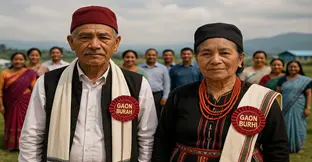
What are the duties of Gaon Buras and Gaon Buris?
Below are some important roles they play in society:
1. Administrative:
a. Gaon Buras and Buris act as intermediaries between the district administration and villagers, conveying government schemes, rules, and welfare measures.
b. Help maintain law and order, resolving minor disputes at the community level through traditional justice mechanisms.
2. Custodians of Tradition and Culture:
a. They preserve and promote indigenous customs, community harmony, and moral values, ensuring cultural continuity alongside modernization.
3. Agents of Development:
a. Facilitate the implementation of rural development schemes in health, sanitation, education, and livelihoods.
b. Motivate villagers to adopt cleanliness under the Swachh Bharat Abhiyan and promote waste segregation and recycling.
4. Social Responsibility and Welfare:
a. Gaon Buras and Buris can ensure that no child drops out of school, encouraging universal education.
b. They promote gender equality, helping both boys and girls complete basic education and participate in community life.
5. Environmental Protection:
a. Promote community-based conservation, especially in ecologically sensitive areas of Arunachal Pradesh.
b. Protector of community forests
c. Enforcement of customary environmental laws
d. Wildlife protection – discourage poaching, coordinate with the forest dept
e. Promoting environmental awareness
6. Other responsibility:
a. Maintain peace and harmony
b. Strengthen community institutions
c. Identifying vulnerable households
d. Health and sanitation awareness
e. Monitoring development work
What is the future of Gaon Buras and Buris?
The future of Gaon Buras and Buris in Arunachal Pradesh looks promising. They are adapting to modern governance. At the same time, they are preserving their cultural identity. Here’s what that future may involve:
1. Capacity Building: Regular training in administration, digital governance, and social leadership.
2. Recognition and Incentives: Increased honorarium and formal acknowledgment of service.
3. Integration with Panchayati Raj: Harmonizing traditional institutions with modern local governance structures.
4. Inclusion of Women: Encouraging more Gaon Buris to participate in leadership for balanced representation.
5. Documentation and Preservation: Recording customary laws and traditional practices for future generations.
Conclusion
In conclusion, Gaon Buras and Gaon Buris remain pillars of grassroots governance. They preserve tradition. At the same time, they support modern administration. Moreover, they promote harmony and development. Therefore, strengthening Gaon Buras and Buris is important. It ensures inclusive leadership, cultural continuity, and effective governance in Arunachal Pradesh.
Frequently Asked Questions:
They are officially recognized and appointed by the district administration.
Yes, they represent women’s voices and support inclusive village governance.
Yes, they uphold and enforce traditional customs and practices.