
Why was Project Muskaan in the News?
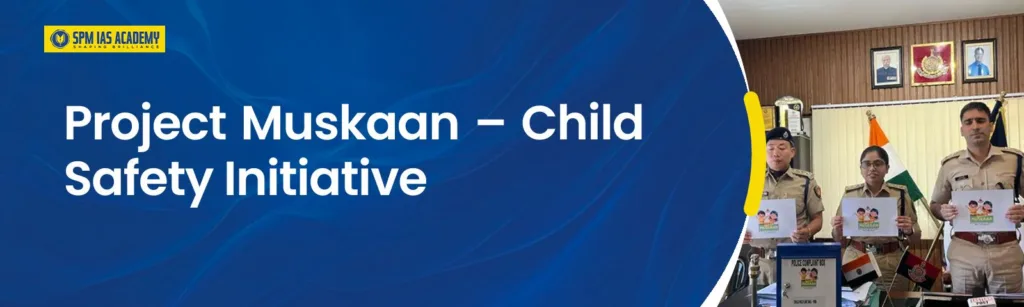
East Siang Police, Pasighat, has launched Project Muskaan. It is a child safety and protection programme aimed at creating a secure and supportive environment for children. Through this initiative, the police seek to empower children with essential knowledge, build trust between children and the police. It will also strengthen reporting mechanisms for safety concerns. Moreover, the project responds to the rising cases of child abuse, bullying, online exploitation, and emotional distress. Therefore, Project Muskaan focuses on early awareness, timely reporting, and coordinated support. It aims to ensure the overall well-being and protection of children.
What are the key Objectives of Project Muskaan, Arunachal Pradesh?
The objectives of Project Muskaan can be discussed under the following heads.
- Creating a Safe Environment:
- The project will ensure every child feels protected, respected, and heard.
- Furthermore,it covers safety at home, school, and online ecosystems.
- Strengthening Trust with Police:
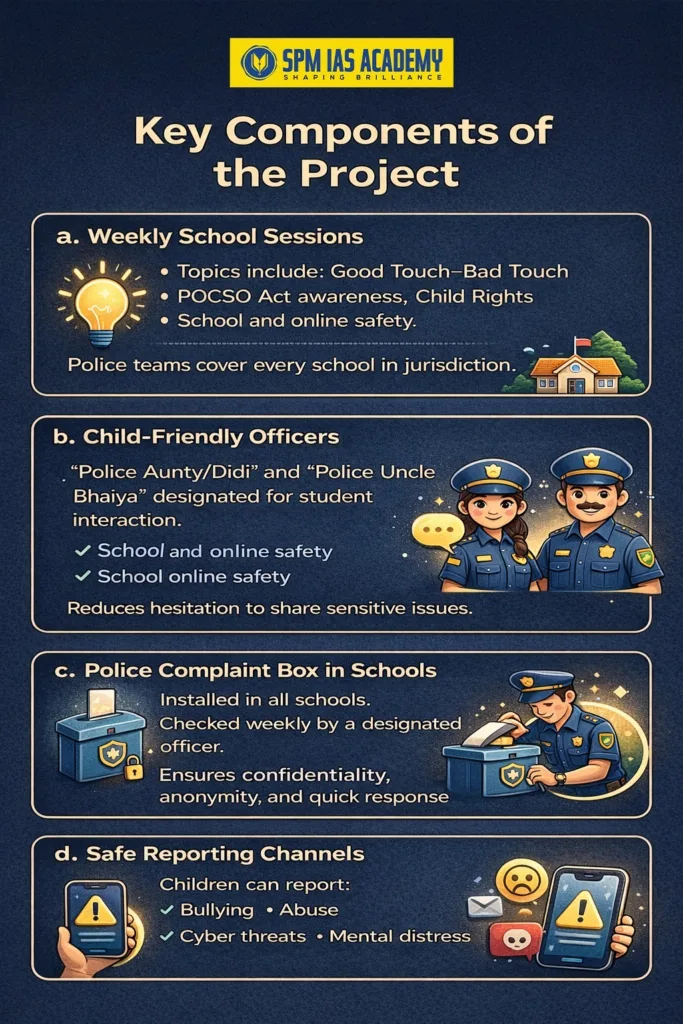
- The project encourages children to approach police without fear.
- Similarly, it aims to build a child-friendly, approachable policing model.
- Enhancing Child Protection Systems:
- It focuses on prevention, not just response.
- Moreover, it uses awareness, counselling, and safe reporting to stop abuse early.
What are the Rationales Behind this Project Muskaan?
- Increasing Child Safety Risks:
- There is a rise in cyberbullying, gaming-related abuse, online grooming targeting children.
- Also, there is a growth in school-based and domestic abuse cases.
- Along with these, mental health distress among adolescents is also rising.
- Need for Preventive Action:
- It focuses on prevention as a more effective step than post-incident intervention.
- It also emphasises on schools as key platforms for child protection awareness.
- Collective Responsibility:
- It promotes cooperation among teachers, parents, police, and the community. Thus it focuses on a holistic approach which will ensure sustained safety.
What is the Wider Social & Legal Context of Project Muskaan?
Project Muskaan operates within a strong social and legal framework aimed at protecting children’s rights and safety. Firstly, it aligns with the POCSO Act, 2012. It will help to strengthen awareness about legal safeguards for children and encourages timely reporting of offences related to sexual abuse. Moreover, the project supports national child protection frameworks. It aligns with initiatives such as the National Child Protection Policy, Beti Bachao Beti Padhao, and the Juvenile Justice Act (JJ Act), 2015. Therefore, Project Muskaan ensures a legally backed, comprehensive, and rights-based approach to child safety.
Conclusion:
In conclusion, Project Muskaan is a timely and people-centric initiative that strengthens child safety and protection in Arunachal Pradesh. By focusing on awareness, trust-building, and prevention, the project moves beyond reactive policing. It adopts a child-friendly and community-based approach. Moreover, its alignment with laws such as the POCSO Act, 2012 and national child protection frameworks ensures legal support and institutional backing.
Therefore, Project Muskaan not only addresses emerging challenges like online exploitation and mental health distress, but also promotes collective responsibility among parents, schools, police, and society.
Source: Arunachal Times
FAQ:
Project Muskaan is a child safety and protection initiative launched by East Siang Police, Pasighat, Arunachal Pradesh. It aims to create a secure, supportive, and child-friendly environment through awareness, trust-building, and early reporting.
Project Muskaan was launched to address the rising cases of child abuse, bullying, online exploitation, cyber grooming, and emotional distress among children and adolescents.
The main objectives include ensuring child safety at home, school, and online, building trust between children and the police. It also aims at strengthening preventive child protection mechanisms.
Project Muskaan aligns with the POCSO Act, 2012, the Juvenile Justice Act, 2015, and national initiatives like Beti Bachao Beti Padhao. It will strengthen legal awareness and reporting mechanisms.
The key stakeholders include children, parents, teachers, police authorities, schools, and the local community. They work together to ensure effective child safety, awareness, and protection.