
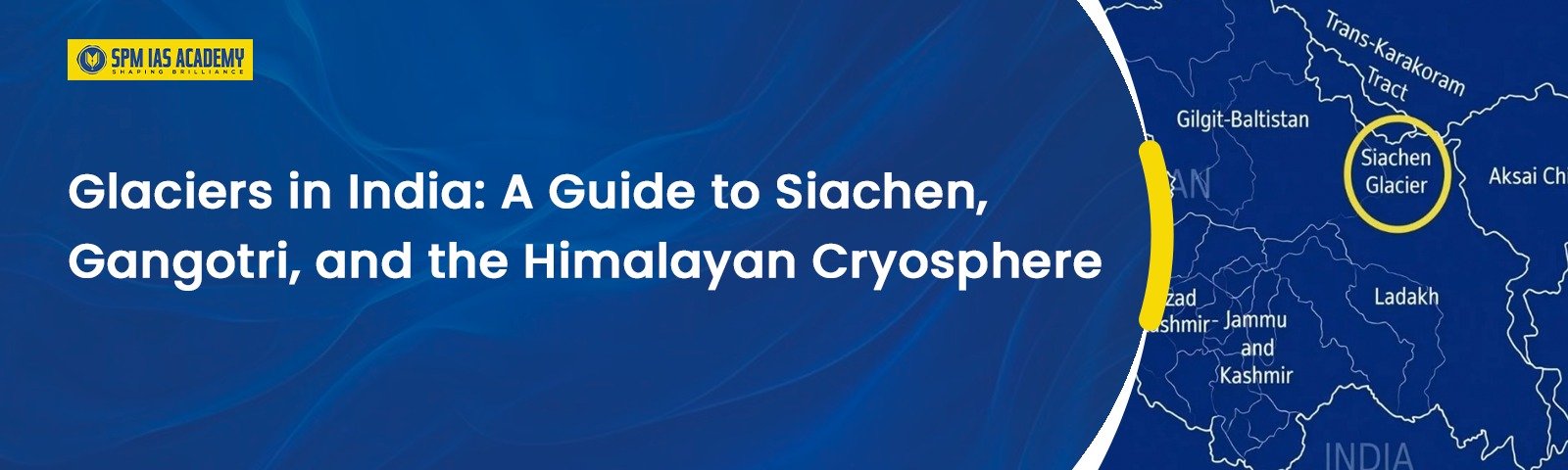
Glaciers in India are among the most important natural resources on Earth. They are often called the “Water Towers of Asia.” These slow-moving rivers of ice store vast quantities of freshwater. They release it gradually, feeding rivers that sustain hundreds of millions of people.
The Indian Himalayan Region (IHR) holds more glacial ice than anywhere outside the polar regions. This makes it ecologically irreplaceable. It also holds enormous strategic importance, from national security to agricultural water supply. Understanding the glaciers of India is no longer just a scientific pursuit. It is a matter of national urgency.
Explore expert-led UPSC coaching in north east india to strengthen your preparation with structured guidance and mentorship.
In this article, we will look into the Glaciers of India from an exam point of view and why they matter to the aspirants preparing for the UOSC or any state PSC exam.
The Siachen Glacier: The Giant of the Karakoram
Location and Scale
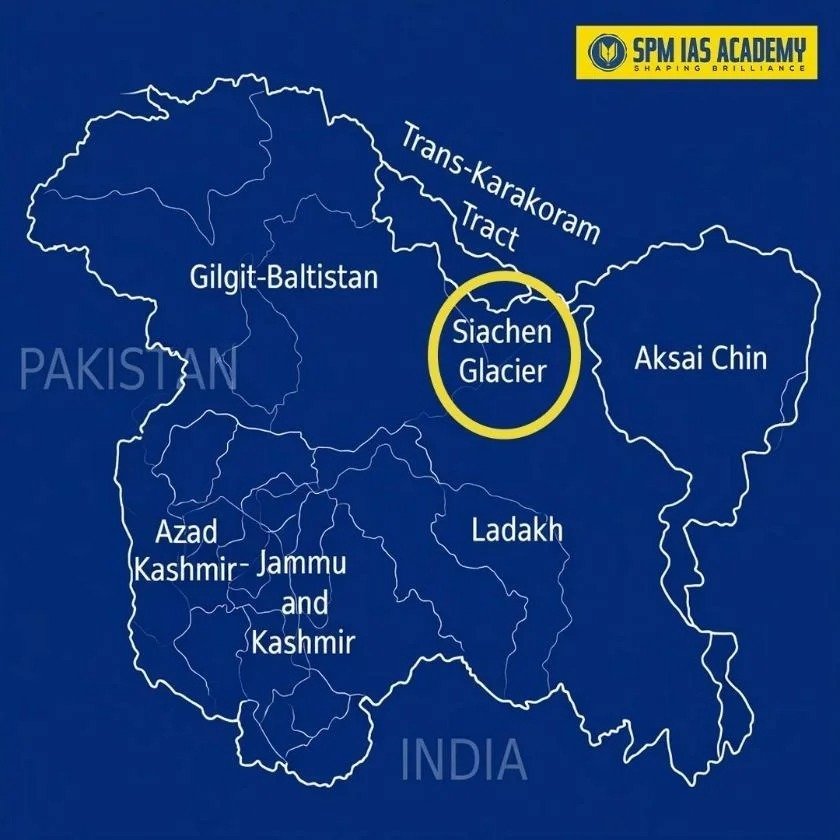
The Siachen Glacier lies in the eastern Karakoram Range, in the Ladakh region of India. It stretches approximately 76 kilometres in length, making it the longest glacier in India and the second longest non-polar glacier in the world.
Key facts about the Siachen:
- Located at altitudes between 5,400 m and 7,000 m above sea level.
- Situated at the Line of Control between India and Pakistan.
- Known as the world’s highest battlefield, the Indian Army has maintained a presence here since Operation Meghdoot (1984).
- Feeds the Nubra River, which drains into the Shyok River and eventually the Indus.
- Part of the Karakoram Range, which also hosts K2, the world’s second-highest peak.
The Gangotri Glacier: The Sacred Source
1. Location and Religious Significance
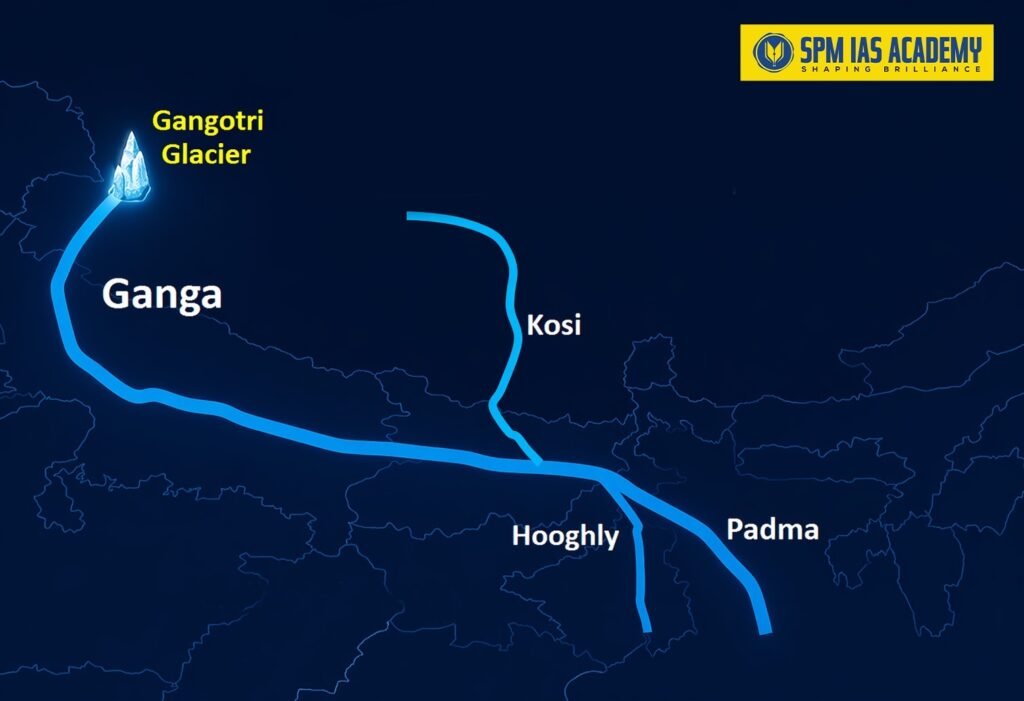
The Gangotri Glacier is located in the Uttarkashi district of Uttarakhand. It is one of the most important glaciers in India, both environmentally and culturally. The glacier is the primary source of the Bhagirathi River, a main tributary of the holy Ganga.
2. Why is the Gangotri significant?
- It is approximately 30 km long and covers an area of around 143 sq km.
- The glacier’s snout, known as Gaumukh (“cow’s mouth”), is considered one of the holiest sites in Hinduism.
- Millions of pilgrims visit the Gangotri Temple annually, situated near the glacier’s edge.
- As one of the largest glaciers in India, it sustains the flow of the Ganga, India’s most sacred river.
- It lies within the Gangotri National Park, a UNESCO World Heritage tentative site.
Other Notable Glaciers in India
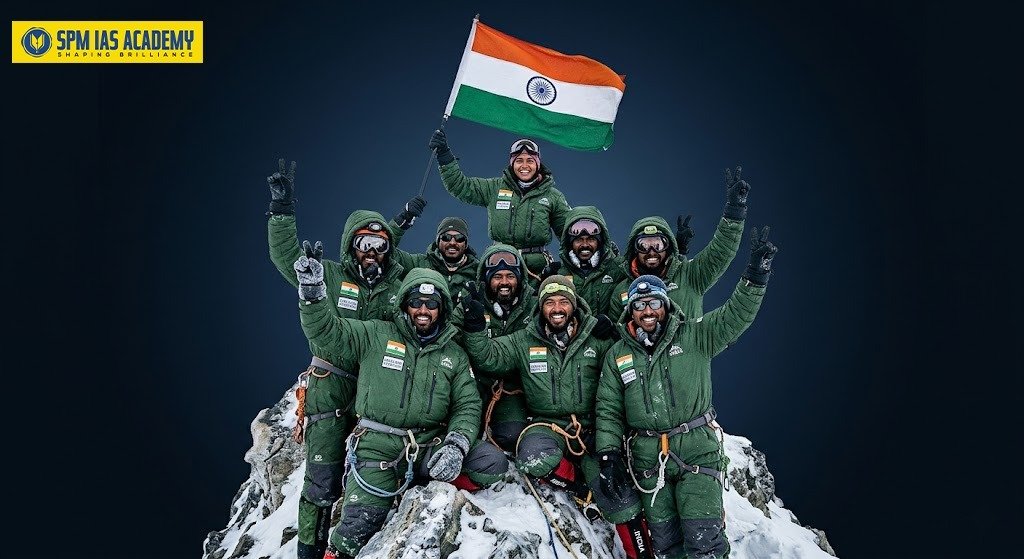
Glaciers in India are not limited to the western Himalayas. They span the entire arc of the mountain system, from Sikkim in the east to Ladakh in the northwest.
1. Zemu Glacier: Sikkim
The Zemu Glacier in North Sikkim is the largest glacier in the eastern Himalayas. It is approximately 26 km long and lies near Kangchenjunga, the world’s third-highest peak. It feeds the Teesta River, which is vital for the states of Sikkim and West Bengal.
2. Shafat Glacier: Ladakh
The Shafat Glacier is located in the Zanskar region of Ladakh. It is a significant contributor to the Zanskar River system. It is less explored but highly important for the water security of the cold-desert communities in the region.
The Climate Change Impact on Glaciers in India
The threat to glaciers in India from climate change is real and accelerating. Scientists and satellite data both confirm a disturbing trend: India’s Himalayan glaciers are receding at an alarming rate.
Key data points:
- The Gangotri has been retreating at a rate of roughly 22 metres per year.
- Studies by the Wadia Institute of Himalayan Geology show that most Himalayan glaciers have shrunk significantly since the 1960s.
- A 2023 ISRO report found that 16.4% of the glacial area in the Himalayas was lost between 1990 and 2019.
- Glacial Lake Outburst Floods (GLOFs) are becoming more frequent, posing risks to downstream communities.
- A decline in glaciers in India could severely affect the Ganga, Indus, and Brahmaputra river basins, which support over 600 million people.
The downstream impacts are equally severe. Reduced glacial meltwater threatens drinking water supply, hydropower generation, and irrigation. Long droughts and irregular monsoons will become more common. This is no longer a distant future scenario; it is already beginning.
Stay updated with reliable current affairs to connect glacier-related topics with evolving UPSC exam perspectives.
Conclusion: Protecting the Glaciers of India
Glaciers in India are not just geographical features. They are the lifeblood of the subcontinent. From the strategic heights of Siachen to the sacred snout of Gaumukh, these bodies of ice connect ecology, culture, and survival.
As citizens and policymakers, we must act urgently. Reducing carbon emissions, strengthening glacier monitoring programs, and integrating glaciological data into national water policy are critical first steps.
The future of India’s rivers, and the hundreds of millions who depend on them, depends on how well we protect our glaciers today. Glaciers in India are not just a scientific concern; they are a national treasure.
Frequently Asked Questions:
The Siachen is the largest glacier in India, stretching approximately 76 km in the Karakoram Range, Ladakh. It is also the second-longest non-polar glacier in the world.
Gaumukh, meaning “cow’s mouth” in Hindi, is the glacial snout of the terminus of the Gangotri. It is the point where the Bhagirathi River (source of Ganga) emerges from the ice. It is considered one of the holiest sites in Hinduism. Pilgrims trek 18 km from Gangotri town to reach this sacred spot each year.
Glaciers in India act as natural reservoirs. During summer, meltwater from glaciers feeds major rivers such as the Ganga, Indus, Brahmaputra, Teesta, and Zanskar. This meltwater sustains river flow during dry seasons when rainfall is insufficient. It supports drinking water, irrigation, and hydroelectric power across northern and northeastern India.
No. Siachen is located in a highly sensitive military zone and is not open to civilian tourists. It is the site of an active military deployment by the Indian Army. Access is strictly controlled by the Indian government. However, the nearby Nubra Valley, which Siachen’s meltwater helps feed, is a popular and accessible tourist destination.
The Gangotri has been retreating at an average rate of approximately 22 metres per year. Since 1780, it has retreated by more than 2 km. The rate of retreat has accelerated in recent decades due to global warming and rising temperatures in the Himalayas. The Wadia Institute of Himalayan Geology and ISRO’s Space Applications Centre both monitor this glacier continuously.

Behind every article at SPM IAS Academy is a team of skilled content writers and subject experts committed to making preparation easier for aspirants. From answering common doubts to breaking down complex issues and current affairs, we create content that is accurate, easy to understand, and directly useful for UPSC, APSC, and other competitive exams.