
The UPSC Civil Services Examination stands among the toughest and most respected exams in India. Every year, thousands of students compete for limited seats in the Indian Administrative Service (IAS), Indian Police Service (IPS), Indian Foreign Service (IFS), and many other central services. Because of the wide syllabus and strong competition, many students ask one question again and again: What is the ideal time duration to prepare for UPSC?
The answer changes from person to person. Your academic background, daily routine, subject knowledge, consistency, and study support all decide how much time you need. However, with the right planning, you can choose the ideal time duration to prepare for UPSC and prepare with confidence.
Why Time Planning Matters in UPSC Preparation
UPSC does not test only memory. It checks your understanding, writing ability, decision-making skills, personality, and awareness of national and global issues. Therefore, proper planning matters a lot. If you follow the Ideal Time Duration to Prepare for UPSC, you can complete the syllabus, revise properly, practice mock tests, and stay mentally balanced.
Moreover, good time planning reduces stress. Instead of rushing near the exam date, you move step by step and stay in control.
Understand the UPSC Exam Structure First
Before selecting the ideal time duration to prepare for UPSC, you should know the three stages of the exam.
Preliminary Examination (Prelims)
This is the first stage. It includes two objective papers:
- General Studies Paper I
- CSAT Paper II
You must clear Prelims to enter the next stage.
Main Examination (Mains)
This stage includes nine descriptive papers. It covers Essay, General Studies papers, optional subjects, and language papers. Your marks in mains play a major role in the final ranking.
Personality Test (Interview)
This is the final stage. Here, the board checks your confidence, communication, personality, judgment, and suitability for public service.
Therefore, when you think about the ideal time duration to prepare for UPSC, you must plan for all three stages.
Factors That Decide Preparation Time
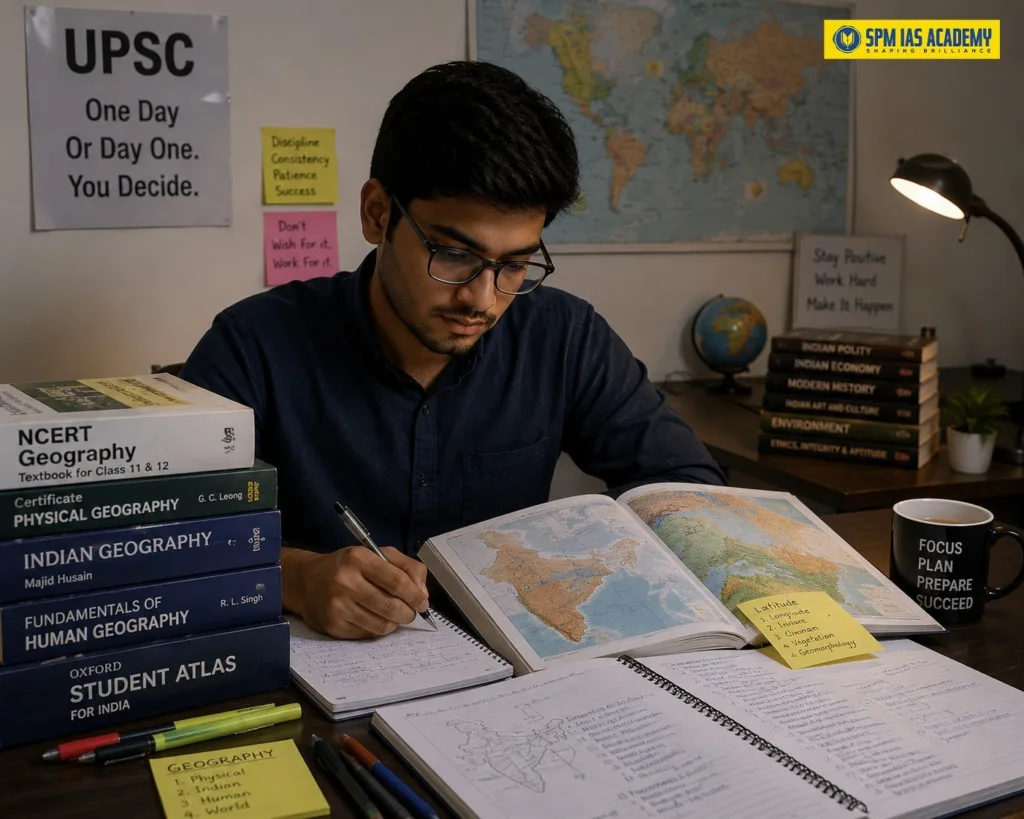
The Ideal Time Duration to prepare for UPSC depends on many personal factors.
Educational Background
Students from Political Science, History, Geography, Sociology, or Humanities often understand parts of the syllabus faster. On the other hand, students from technical backgrounds may need extra time in some subjects.
Prior Knowledge
If you already read newspapers, follow current affairs, and know basic NCERT topics, you may progress faster. However, if you start from zero, you need more time.
Study Habits
Students who study daily with discipline perform better than students who study randomly. Even 6 focused hours daily can beat 12 distracted hours.
Guidance and Resources
Good books, mock tests, coaching support, and proper mentorship can shorten your journey. The wrong material can waste months.
Students seeking reliable upsc coaching in guwahati can explore structured guidance, mentorship, and test preparation support.
General Timeline for UPSC Preparation
Now, let us understand the Ideal Time to prepare for UPSC for different students.
For Beginners – 12 to 18 Months
If you start fresh, this is usually the best timeline.
- 6 to 8 months for full syllabus coverage
- 3 to 4 months for revision and answer writing
- 2 to 3 months for Prelims mock tests and PYQs
- 3 to 4 months for Mains answer writing, essay, ethics, and optional
- 1 to 2 months for interview preparation after Mains result
For most freshers, 12 to 18 months remains the Ideal Time to prepare for UPSC.
Many aspirants now prefer UPSC coaching in north east India for personalized mentoring and region-focused preparation strategies.
For Working Professionals – 18 to 24 Months
If you manage office work with studies, you need a longer cycle. Daily time stays limited, so a slower but steady plan works better. Therefore, many working candidates choose 18 to 24 months as the Ideal Time Duration to prepare for UPSC.
For Experienced Aspirants – 6 to 12 Months
If you have already attempted UPSC once or completed the syllabus earlier, you can focus on revision, tests, and weak areas. In such cases, 6 to 12 months can become the proper Time Duration to prepare for UPSC.
Daily Study Plan for UPSC Aspirants
A balanced schedule helps you use time wisely.
| Time | Activity | Focus Area |
| 6:00 AM – 7:00 AM | Exercise / Meditation | Fresh mind and body |
| 7:00 AM – 8:00 AM | Newspaper reading | Current affairs |
| 8:00 AM – 9:00 AM | Breakfast | Rest |
| 9:00 AM – 11:00 AM | Subject 1 | Core study |
| 11:00 AM – 11:30 AM | Break | Relax |
| 11:30 AM – 1:30 PM | Subject 2 | Notes and revision |
| 1:30 PM – 2:30 PM | Lunch | Rest |
| 2:30 PM – 4:30 PM | Optional Subject | Deep study |
| 4:30 PM – 5:00 PM | Break | Refresh |
| 5:00 PM – 7:00 PM | Mock Tests / Answer Writing | Practice |
| 7:00 PM – 8:00 PM | Dinner | Relax |
| 8:00 PM – 10:00 PM | Editorials / Revision | Analysis |
| 10:00 PM – 11:00 PM | Light Reading | Calm finish |
This routine supports the proper Time Duration to Prepare for UPSC because it balances study with recovery.
Students confused about how to start UPSC preparation during graduation should begin early with NCERTs and current affairs reading.
How to Use Time Better During Preparation
Firstly, set monthly and weekly goals. Secondly, finish high-weightage subjects early. Thirdly, revise regularly. Fourthly, solve previous year papers. Finally, track your progress through mock tests.
In addition, keep reading newspapers daily because current affairs remain important in every stage.
When you follow these steps, you can make your own Ideal Time Duration to Prepare for UPSC more productive.
Common Mistakes That Waste Time
Many students lose months because they:
- Collect too many books
- Change strategy every week
- Ignore revision
- Skip mock tests
- Avoid answer-writing practice
- Study without a timetable
Therefore, stay simple and consistent.
Conclusion
There is no single answer for everyone, yet for most students, 12 to 18 months works as the Ideal Time Duration to prepare for UPSC. Working professionals may need more time, while experienced aspirants may need less. Instead of chasing shortcuts, focus on consistency, smart planning, revision, and practice. If you stay disciplined every day, your chosen proper Time Duration to prepare for UPSC will become enough to reach your goal.
Frequently Asked Questions:
You should start by checking the UPSC syllabus and exam calendar. After that, divide all subjects into monthly, weekly, and daily targets so you can cover everything in a planned way. Keep separate time slots for static subjects like Polity, History, Geography, and Economy. In addition, give at least one hour daily to current affairs through newspapers and notes. You should also reserve weekly time for revision and mock tests. A timetable should stay practical and flexible so that you can follow it for months without stress.
There is no fixed number for everyone because each student has different stamina and learning speed. However, most successful aspirants study between 6 to 10 focused hours daily. Beginners may start with fewer hours and gradually increase their time. Instead of counting only hours, you should focus on concentration, revision, and consistency. If you study sincerely every day with proper breaks, even moderate hours can produce strong results over time.
You should divide your preparation into clear phases. First, build your basics through NCERT books and standard sources. Next, start optional subject preparation along with current affairs notes. After completing the syllabus, shift your focus toward revision, previous year papers, and test series. In the final stage, give more time to prelims mock tests or mains answer writing depending on the exam cycle. A step-by-step timeline helps you avoid confusion and keeps your preparation smooth.
Yes, many aspirants clear the UPSC in one year with proper planning and discipline. However, success in one year usually depends on your academic base, reading habits, and dedication. If you already know basic subjects and current affairs, one year can be enough for solid preparation. You must study regularly, revise multiple times, and practice answer writing seriously. A focused one-year plan often works better than a long but inconsistent plan.
No, two years is not too much if you use the time wisely. In fact, many beginners prefer two years because it allows them to build concepts slowly and revise properly. In two years, you can cover the syllabus deeply, improve your writing skills, and attempt many mock tests without panic. However, you should maintain discipline throughout the journey. If you waste months without direction, even two years may feel short.

Behind every article at SPM IAS Academy is a team of skilled content writers and subject experts committed to making preparation easier for aspirants. From answering common doubts to breaking down complex issues and current affairs, we create content that is accurate, easy to understand, and directly useful for UPSC, APSC, and other competitive exams.