
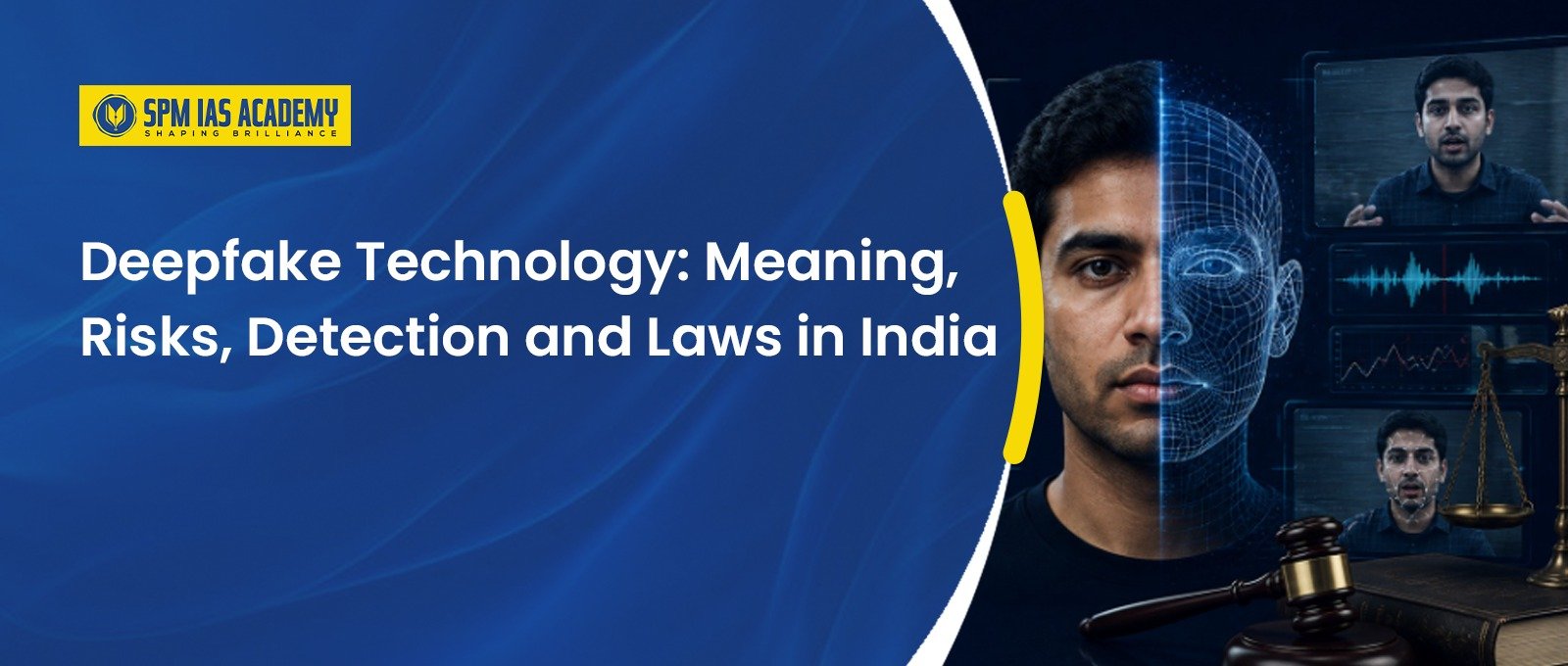
A video appears on your phone. A well-known leader seems to make a shocking statement. The face looks real. The voice sounds familiar. Yet the person never said those words. This is the new challenge created by Deepfake Technology. Artificial intelligence can now create convincing faces, voices, and events within minutes. Some creations entertain people or support learning. Others cheat viewers and damage lives. Therefore, every internet user should know how such content works. People should also know how to check it and report harmful material.
What is a deepfake?
A deepfake is an artificial or heavily changed image, video, or audio clip. It often shows a real person doing or saying something that never happened. Deepfake Technology uses artificial intelligence to study a person’s face, voice, or body movements. It then copies those features into new content.
The word combines “deep learning” and “fake.” Deep learning is a form of AI that learns patterns from large amounts of data. For example, a system may study many photographs of one person. It learns the shape of the face and the way light falls on it. Later, it can place that face on another body or create a new scene.
However, not every edited photo is a deepfake. A colour correction or a normal film effect may not try to fool anyone. Intention and presentation matter. Trouble begins when a creator presents false material as a record of a real person or event.
Understanding AI-created content
Synthetic media means content made or changed with digital tools and artificial intelligence. It may include pictures, speech, music, animation, and video. The category is wider than deepfakes. An imaginary AI landscape is artificial content, but it does not copy a real event. A fake clip of a minister announcing a false policy can deceive the public.
This difference matters. Artificial content can have honest and useful purposes. A film studio may create a fantasy world. A teacher may produce an animated lesson. A person who cannot speak may use an artificial voice. Clear labels help viewers understand what they are seeing or hearing.
How does it work?
Deepfake Technology learns from samples such as photographs, video clips and voice recordings. More samples usually help the system copy small details. Modern tools may use neural networks, autoencoders, generative adversarial networks or newer diffusion models.
In a generative adversarial network, two AI systems train together. The first system creates an artificial result. The second system checks whether the result looks genuine. This process repeats many times. As a result, the artificial output becomes harder to separate from a real recording.
Newer systems can also follow written instructions. A user may describe a scene and ask the system to create it. Voice-cloning tools can copy tone and speaking style from a short recording. Lip-sync tools can then match mouth movements with artificial speech. This combination can make a false clip feel believable.
Main types of deepfakes
Deepfakes do not appear only as face-swapping videos. They now take several forms.
Face swaps
AI places one person’s face over another person’s face. Creators use this in films and comedy. Criminals may use it to damage someone’s dignity or create a false identity.
Lip-sync videos
The system changes mouth movements to match a new audio track. The person in the video may appear to speak words that they never used.
Voice clones
AI copies the voice of a family member, officer or company head. A fraudster may then request money or secret information in that familiar voice.
Artificial images and events
Generative tools can create people who do not exist. They can also build fake scenes of riots, disasters or public meetings. A false image may spread faster when it supports a strong political or emotional claim.
Live impersonation
Some tools can alter a face or voice during a video call. This method is dangerous because people often trust a live conversation more than a recorded clip.
Useful applications
Deepfake Technology is not harmful by itself. Its effect depends on purpose, consent and honesty. Film creators can use it for dubbing or visual effects. Museums can build interactive historical lessons. Teachers can make difficult ideas easier to understand. Voice tools can also help people who have lost the ability to speak.
The same methods can support language translation. An educational video can reach viewers in several Indian languages. Doctors may use artificial data for training when real patient information must remain private. Brands may create virtual presenters for clearly marked advertisements.
Still, creators must take consent seriously. They should label artificial material. They must not use a person’s face or voice in a misleading way. A useful idea can become harmful when it hides its artificial origin.
Deepfake risks
Deepfake Technology becomes dangerous when someone uses it to deceive, threaten or exploit another person. The harm may begin online, but it rarely stays there.
Fraud and identity theft
A criminal can copy the voice of a relative and ask for urgent payment. Another person may pretend to be a senior officer during a video call. Such scams use fear and trust. Victims may act before checking the request.
Harm to women and children
People have used altered intimate images to shame, harass and blackmail victims. Women face a large share of this abuse. Children also face serious risks. Once such content spreads, copies may return even after the first post disappears.
Political misinformation
A false speech can influence voters or create anger between communities. A fake event may spread during an election, conflict or disaster. Even a later correction may not reach everyone who saw the original claim.
Damage to reputation
A fabricated clip can make a teacher, public servant, business leader or ordinary citizen appear dishonest. The victim may lose work and social trust. Proving that a clip is false also takes time.
Loss of trust in real evidence
There is another danger called the “liar’s dividend.” A person caught in a genuine recording may simply call it fake. As artificial content grows, people may doubt even real proof. This weakens journalism, policing and public debate.
Why India must take the threat seriously
India has a large and diverse online population. Messages move quickly across social networks and private groups. Many users receive news in local languages. In this setting, Deepfake Technology can turn a false claim into a public-order problem within hours.
The threat is especially serious during elections. A false video may target a candidate just before voting. Voice clones may mislead party workers or journalists. Fabricated communal content may also create fear. Therefore, election officials, platforms, media houses and citizens need fast verification systems.
The problem also affects personal finance. Scammers may collect a voice sample from a public video. They can combine it with leaked personal details. They may then call a family member or employee. A simple rule can prevent loss: verify every urgent request through a second known channel.
Deepfake detection
No single trick can prove that a file is false. However, a careful check can reveal warning signs. Look at the mouth and teeth. Check whether speech matches lip movement. Notice sudden changes in skin tone, shadows, earrings or glasses. Listen for a flat voice, strange pauses or unnatural breathing.
Next, study the context. Who first posted the material? Does the account have a history of sharing reliable information? Have trusted news organisations or official channels reported the event? A shocking clip with no clear source deserves extra caution.
You can also take screenshots and run a reverse-image search. Look for an older version of the same scene. Check the full speech instead of a short crop. For audio, call the person through a number you already know. Never use contact details supplied in the suspicious message.
Technical tools can examine file metadata, frame changes and signs left by an AI model. Content credentials and permanent provenance records can also show where a file came from. Yet tools can make mistakes. As Deepfake Technology improves, verification should combine software, human review and reliable source checking.
Deepfake Technology UPSC Relevance: Prelims Facts
Meaning: A deepfake is AI-generated or manipulated audio, video or imagery that convincingly imitates a real person or event.
Synthetic media: Synthetic media is a wider category that includes all digitally generated or altered media. Therefore, every deepfake is synthetic media, but not all synthetic media is a deepfake.
Technology used: Deepfakes commonly use deep learning, Generative Adversarial Networks (GANs), autoencoders and diffusion models. A GAN contains a generator that creates content and a discriminator that evaluates it.
No separate law: India does not have a standalone “Deepfake Act.” Existing laws apply according to the nature of the offence.
Information Technology Act, 2000: Sections 66C and 66D cover identity theft and cheating by personation. Sections 66E, 67, 67A and 67B address privacy violations and unlawful sexual or obscene content.
IT Rules, 2021: These rules place due-diligence obligations on online intermediaries. Amendments notified in February 2026 specifically addressed synthetically generated information, including labelling, metadata and unlawful AI-generated content.
Bharatiya Nyaya Sanhita, 2023: Section 353 may apply to false information causing public mischief, while Section 111 may cover organised cybercrime involving deepfakes.
Important institutions: MeitY frames digital-platform rules, CERT-In handles cybersecurity incidents, and the Indian Cyber Crime Coordination Centre under the Ministry of Home Affairs coordinates action against cybercrime.
Conclusion
Deepfake Technology can support creativity, education, and accessibility. Yet it can also power fraud, abuse, and misinformation. The answer is not fear or a complete ban. India needs responsible AI design, clear labels, quick victim support, and strong enforcement. At the personal level, three habits matter most: pause, verify, and report. Check the source before believing a shocking clip. Confirm urgent requests through another channel. Report harmful material with evidence. These small actions protect individuals and strengthen trust in the digital world.
Frequently Asked Questions
Q1. Can an ordinary person identify a deepfake without special software?
Yes, but visual clues alone cannot give complete proof. Check lip movement, lighting, voice quality, and the original source. Search for the full recording and compare official reports. If money or safety is involved, contact the person through a trusted number before acting. A second check is safer.
Q2. Is creating a deepfake always illegal in India?
No. A clearly labelled creation made with consent for films, education or satire may be lawful. Liability can arise when someone uses artificial content for cheating, impersonation, sexual abuse, forgery, defamation, or other unlawful harm. The facts and purpose decide which law applies in each case.
Q3. What should I do if someone posts a fake intimate image of me?
Save the link, account details, date, and screenshots without sharing the image further. Report it to the platform and request urgent removal. File a complaint at cybercrime.gov.in or visit the police. Ask a lawyer or trusted support person for help if you feel unsafe or face further threats.
READ MORE